How to Choose the Best Handicap Car in 2026?
Choosing the best Handicap Car in 2026 starts with the person who will use it, not a feature list. A vehicle that works for one wheelchair user may be difficult for another. Consider whether the person will drive, ride as a passenger, or switch between both roles. Then measure the wheelchair, doorway, transfer space, and regular parking area. Small details matter. A ramp that looks convenient in a brochure may feel steep at a tight curb.
Compare ramp or lift access, interior height, turning space, seat positions, and securement systems. If possible, bring the actual wheelchair and mobility equipment to a dealer or qualified mobility-vehicle specialist. Try entering, turning, and fastening the restraints. Check whether a caregiver can help comfortably. Ask about maintenance, warranty coverage, replacement parts, and service availability before deciding. These practical checks can reveal trade-offs that photographs miss.
Budget for more than the vehicle itself. Conversion costs, routine upkeep, and future repairs can affect long-term affordability. Ask for clear pricing and written details about the specific conversion. A clinician or mobility specialist may help identify relevant access needs, while a test drive can show how the vehicle feels on familiar roads. No checklist is perfect; real life is messier. A model that seems ideal on paper may still feel awkward after a few minutes inside. The best choice is the one that supports daily routines safely and comfortably, with room for changing needs. Compare carefully, test in person, and take time to reflect before committing.
Map Passenger and Mobility Needs Using the CDC’s 1-in-4 Adult Disability Benchmark
The CDC’s 2018 Behavioral Risk Factor Surveillance System found that about one in four U.S. adults has a disability. That benchmark describes a broad population, not a count of people who need wheelchair-accessible vehicles. The CDC groups disabilities across areas such as mobility, hearing, vision, cognition, and independent living. For vehicle planning, ask what each passenger does during a real trip: transfer from a seat, remain in a wheelchair, or manage steps with support. Needs differ.
The U.S. Department of Transportation’s 2022 National Household Travel Survey tracks trip frequency, purpose, and travel mode. Use the same practical lens at home: record weekly appointments, school runs, errands, and who travels together. Measure the mobility device, then check doorway clearance, ramp space, and securement positions with the person who uses it. Include caregivers’ reach and transfer needs. Small details matter. A vehicle that fits a chair but blocks a caregiver’s access may not work well. I would not rely on a single measurement or a tidy checklist; bodies, routines, and equipment can change. Recheck the setup with passengers before choosing.
Compare Minivans, SUVs, and Full-Size Vans by Access and Seating Layout
How to Choose the Best Handicap Car in 2026?
Compare Minivans, SUVs, and Full-Size Vans by Access and Seating Layout
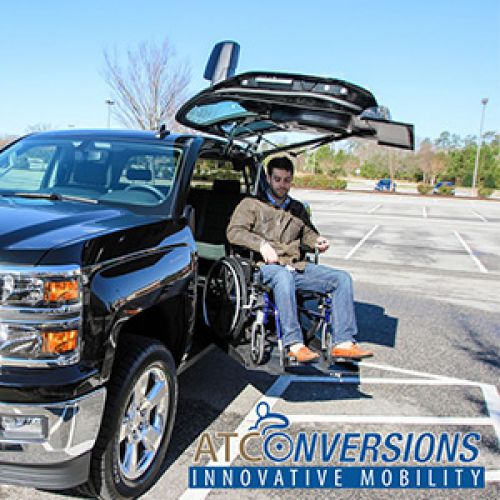
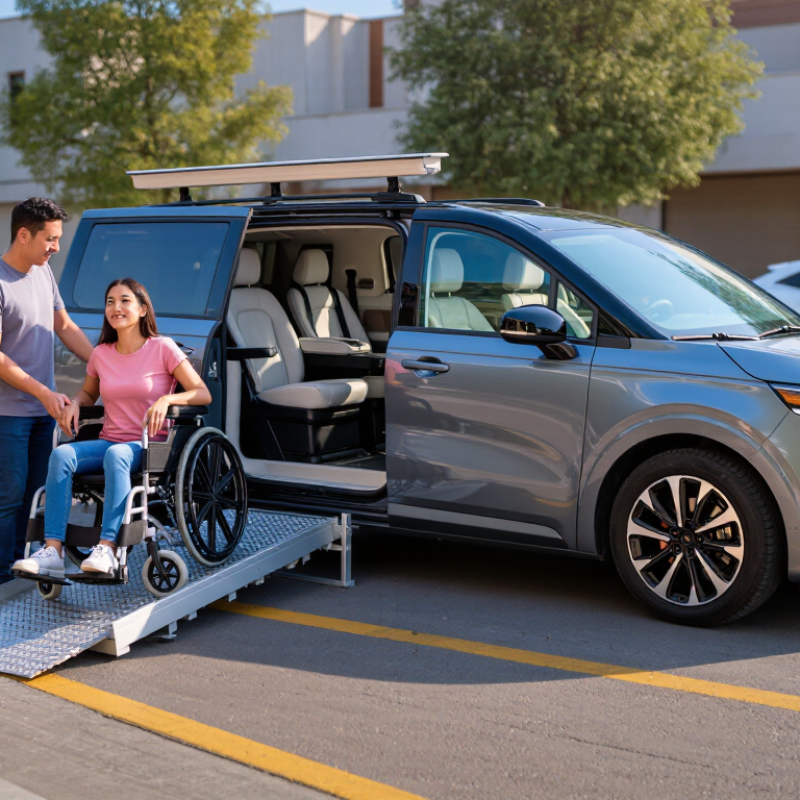
Minivans often offer a practical balance of entry height, cabin space, and everyday maneuverability. A side-entry ramp may leave room for a wheelchair beside the driver or passenger, while a rear-entry layout can suit families who prefer to keep the second-row seats. Check the ramp slope, doorway width, and interior headroom in person. A small measurement difference can change how comfortable transfers feel.
SUVs may work for someone who can transfer into a seat or needs a higher driving position. However, their taller floors can make entry harder, and wheelchair-accessible layouts may offer fewer seating choices. Full-size vans usually provide more interior room and flexible wheelchair positions, but parking and tight turns can feel challenging. More space is not automatically better. Consider who rides along, where the wheelchair sits, and whether other passengers can reach their seats without squeezing past it.
Tips: Measure the wheelchair, doorway, and parking space before shopping. Ask a qualified mobility specialist to assess ramp or lift fit, securement points, and seat-belt access. Test the actual layout with the intended passengers. It can be easy to overlook daily details, like reaching a child’s seat or stowing a walker.
How to Choose the Best Handicap Car in 2026?
Compare typical seating capacity before accessibility conversion. Actual seating and wheelchair access depend on the vehicle’s configuration and any modifications.
The bars show typical passenger-seat ranges before conversion: minivans commonly seat 7–8, SUVs about 5–8, and full-size passenger vans about 8–15. These are broad class-level ranges, not guarantees; wheelchair conversions can change seating layouts. Check ramp or lift access, door openings, usable interior space, and the final seating plan for each specific vehicle.
Check Wheelchair Lifts and Securement Systems Against FMVSS 403 and 404
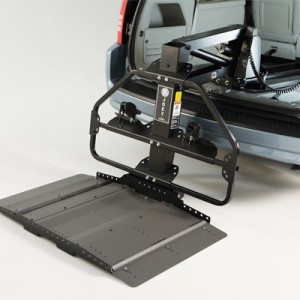
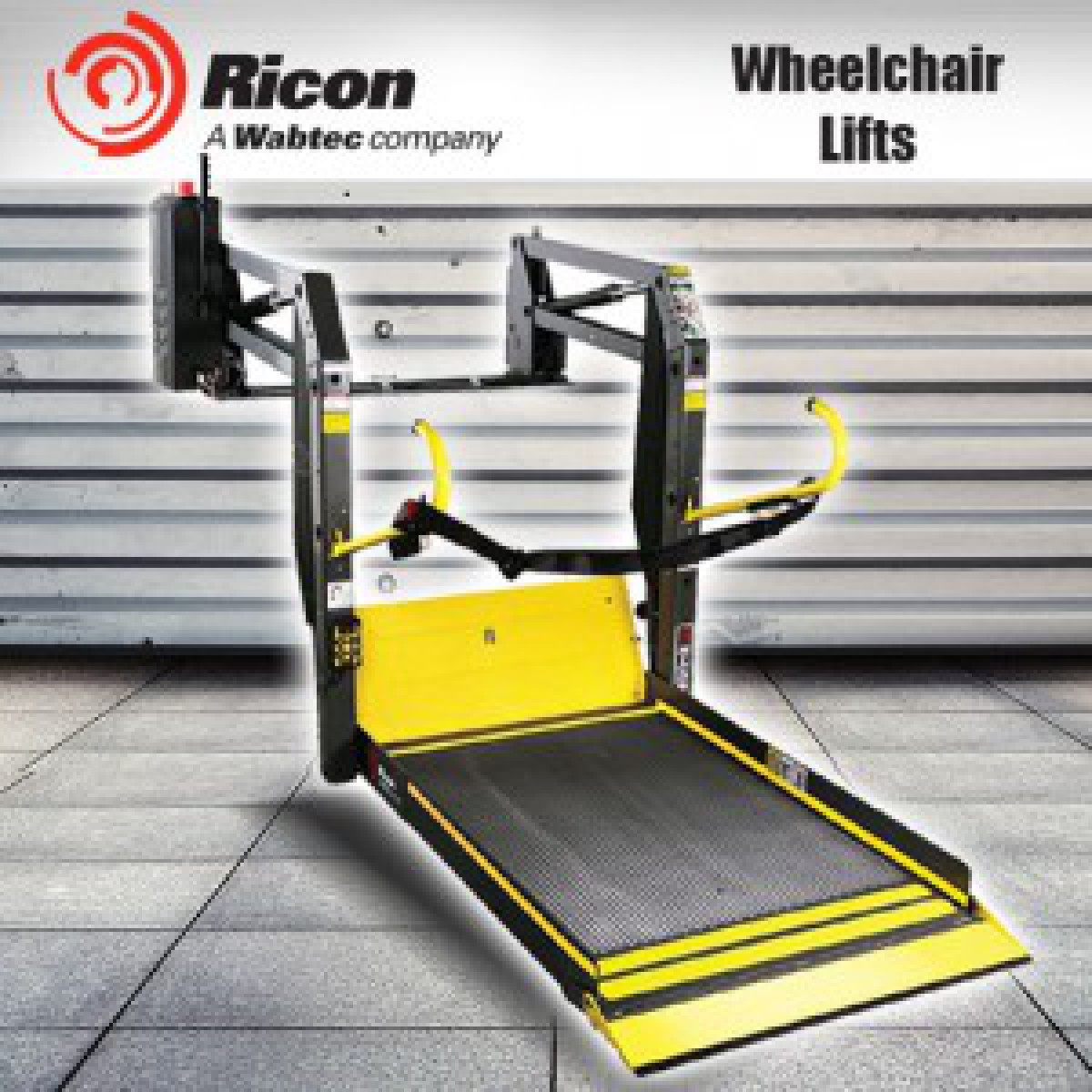
When choosing a handicap-accessible car in 2026, inspect the wheelchair lift and its installation—not just the vehicle’s ramp or entry height. FMVSS 403 sets safety requirements for platform lifts used on motor vehicles. FMVSS 404 addresses how those lifts are installed. Ask the seller or converter for documentation showing that the lift and installation meet the applicable requirements. Check that the platform deploys smoothly, its barriers engage, and its controls are reachable from both the ground and wheelchair position. Test it with the intended user and mobility device, if possible. Small details matter.
These standards do not, by themselves, confirm that a wheelchair securement system or occupant restraint is suitable. Check the tie-down points, straps, and lap-and-shoulder belt separately. Ask how the system fits the wheelchair and user, and whether instructions and maintenance records are available. A strap that is hard to reach may go unused. That matters. Have a qualified mobility-vehicle professional inspect the full setup, including floor anchorage and clearances. The paperwork can feel tedious, and a brief driveway demonstration is not a full safety assessment. Still, careful questions can reveal problems before purchase.
Measure Doorway Clearance, Ramp Slope, Entry Height, and Cabin Space
Choosing the best handicap car in 2026 starts with measurements, not appearance. Measure the narrowest doorway opening with the door fully open, including any trim or interior handle. Compare it with the wheelchair’s widest point, then leave room for hands and clothing. A fit on paper can still feel cramped.
Check ramp slope and entry height together. Measure from the ground to the vehicle floor, then confirm the ramp length and permitted slope in the vehicle’s specifications. A higher floor may require a longer ramp. Steep ramps can be tiring or difficult to manage, especially on wet pavement. Test entry with the actual chair and a qualified mobility-vehicle professional; never rely on a brochure measurement alone.
Inside, measure cabin width, headroom, and the space needed to turn or position the wheelchair. Bring the chair, cushion, and any usual equipment to a fitting. Check where securement points sit and whether a caregiver can reach them comfortably. One detail is easy to miss: the vehicle may fit your driveway differently when the ramp is deployed. Measure that space too. Recheck all figures on the exact vehicle configuration, since conversions can change usable dimensions.
Compare Total Ownership Costs, Conversion Warranties, and NMEDA QAP Support
How to Choose the Best Handicap Car in 2026?
Compare total ownership costs, conversion warranties, and NMEDA QAP support before choosing a vehicle. AAA’s 2024 Your Driving Costs report estimates the average new-car cost at $12,297 per year, based on 15,000 miles of annual driving. That figure is a useful baseline, not a conversion estimate. Add the conversion price, fuel, maintenance, insurance, financing, and possible repair costs. Ask for a written, itemized estimate. Small details matter, like whether routine servicing requires removing a ramp or seat.
Read the vehicle and conversion warranties separately. Check what each covers, how long coverage lasts, where repairs can be performed, and whether labor and replacement parts are included. Ask how warranty coverage works if the conversion needs adjustment after delivery. NMEDA’s Quality Assurance Program (QAP) sets standards for member mobility-equipment dealers and includes oversight through audits. Confirm that the dealer participates in QAP, and ask who will handle service after purchase. NHTSA’s guidance on adapting vehicles for people with disabilities also supports careful planning with qualified professionals. Do not assume every modification has identical safety or service requirements.
Tips: Request a sample service schedule. Get warranty exclusions in writing. Compare three-year and five-year costs. Then ask for a real walk-through: can the driver reach the controls, secure a mobility device, and enter comfortably on a rainy day? A quote can look complete and still miss an inconvenient detail.