







2026 Best Handicap Accessible Vehicles for Global Buyers?

Choosing among the 2026 best Handicap Accessible Vehicles requires more than comparing prices and advertised features. A suitable vehicle must match a person’s mobility device, transfer method, travel habits, and local service network. The World Health Organization estimates that 1.3 billion people, or 16% of the global population, experience significant disability. Its Global Report on Health Equity for Persons with Disabilities also identifies transportation barriers as a major influence on health, employment, and independence.

This guide examines wheelchair vans, accessible SUVs, and adaptable people movers for buyers in different markets. It considers ramp angle, doorway height, interior turning space, lift capacity, restraint compatibility, ground clearance, battery range, and maintenance access. ISO 10542 provides a useful reference for wheelchair tie-down and occupant-restraint systems, while regional vehicle regulations still determine final compliance. Buyers should confirm certification with manufacturers, conversion specialists, and authorized inspection bodies.

Real-world usability matters.

A vehicle may look spacious in photographs but feel restrictive beside a power wheelchair. A steep ramp can become difficult on wet pavement. Limited roof height may affect taller passengers. Electric models can reduce noise and local emissions, yet charging access and conversion weight may create practical compromises. No vehicle is perfect. This article therefore compares strengths, limitations, ownership risks, and available support instead of presenting one universal winner. Evidence from WHO disability data, manufacturer specifications, conversion documentation, and established safety standards supports each evaluation, although specifications can change by country and model year. Always test the complete setup before purchase.
2026 Best Handicap Accessible Vehicles for Global Buyers?

What Makes a Vehicle Handicap Accessible for Global Buyers?

A vehicle becomes truly accessible when a person can enter, travel, and exit with dignity. The World Health Organization’s Global Report on Health Equity for Persons with Disabilities estimates that 1.3 billion people, or 16% of the world’s population, experience significant disability. That scale demands more than a foldable ramp. Buyers should inspect doorway height, ramp angle, interior turning space, transfer access, and emergency exit routes. Small details matter. A narrow aisle can defeat an expensive conversion.

Safety requires measurable engineering. ISO 10542 addresses wheelchair tie-downs and occupant restraints, while SAE J2249 provides related performance guidance. These systems should hold the wheelchair firmly during sudden braking, not merely during normal driving. Seating position, head clearance, floor strength, and restraint geometry also deserve professional inspection. Conversion quality can vary between countries and workshops. That is uncomfortable, but real. Ask for test documentation, load ratings, maintenance records, and compatibility with local roads and climate. The United Nations Convention on the Rights of Persons with Disabilities emphasizes equal access to transportation, yet practical access still depends on infrastructure, service support, and trained technicians. A vehicle may look accessible in a showroom and fail at a steep curb or crowded airport. Test it with the actual wheelchair, user, caregiver, and luggage before purchase. Personally, I would treat manufacturer claims as a starting point, not proof.

Key Accessibility Features to Evaluate in 2026 Vehicles

For global buyers, accessibility begins with entry, not the brochure. The WHO’s Global Report on Health Equity for Persons with Disabilities estimates that 1.3 billion people live with significant disabilities. That scale makes practical design essential in 2026 vehicles.

Measure the door opening, floor height, and transfer space with the actual wheelchair. A wide doorway can still fail when the seat sits too low. Check whether a ramp or lift supports the chair’s weight, width, and turning radius. The UN Disability and Development Report 2024 highlights persistent transport barriers for persons with disabilities. Remote controls, powered doors, adjustable seating, and clear dashboard displays can reduce daily strain.

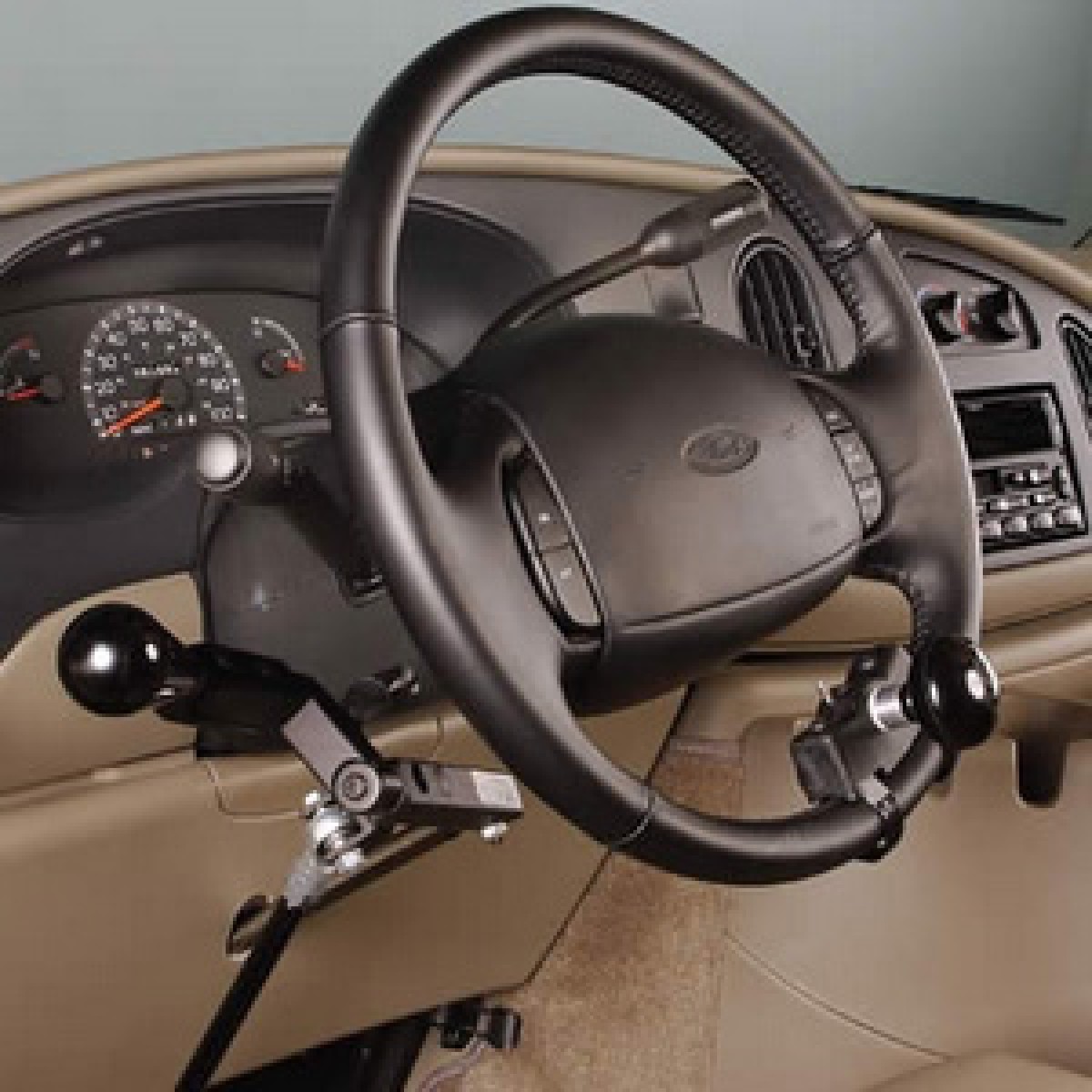
Test the restraint system before purchase. It should align with ISO 10542 wheelchair tie-down and occupant-restraint guidance. Confirm that hand controls, pedal adaptations, and steering aids can be installed without blocking airbags. Battery-powered access equipment also needs a realistic range test in cold weather and on slopes. Small details matter. Can a user reach the emergency release? Can a caregiver clean the floor safely? Are voice commands reliable when road noise rises?

I would not trust a specification sheet alone. Real access changes with body size, chair design, and fatigue. A short supervised trial may reveal more than a polished demonstration. Independent occupational-therapy advice is worth considering, although it adds time and cost. Availability of trained installers and replacement parts should also be checked in the buyer’s country.

2026 Best Handicap Accessible Vehicles for Global Buyers? – Key Accessibility Features to Evaluate in 2026 Vehicles
Vehicle Type Best Use Case Typical Wheelchair Access Recommended Door Opening Entry Method Typical Ramp or Lift Requirement Wheelchair Securement Key 2026 Evaluation Points Global Buyer Considerations
Compact Accessible MPV Urban travel, family use and moderate daily mobility needs Usually suitable for a folding manual wheelchair; powered-chair fit must be measured carefully About 700–800 mm clear width and 1,250–1,350 mm clear height Rear-entry or side-entry manual ramp Lightweight ramp; target slope no steeper than 1:12 where packaging allows Four-point tie-down system plus occupant restraint Check ramp angle, rear suspension load, interior turning space and unobstructed headroom Verify local conversion approval, lighting requirements, parking dimensions and availability of replacement parts
Medium Accessible Van Regular wheelchair travel, caregivers, luggage and longer journeys Generally accommodates most manual and many powered wheelchairs About 750–850 mm clear width and 1,350–1,500 mm clear height Side-entry or rear-entry ramp; powered assistance is useful Manual or powered ramp; powered lift may be preferable for heavier mobility devices Four-point or six-point restraint system with accessible belt operation Measure usable cabin length, ramp load rating, floor anchorage and seat-to-wheelchair transfer space Compare driving side, charging or fueling standards, corrosion protection and service coverage in the destination country
Full-Size Accessible Van Large powered wheelchairs, multiple passengers, medical equipment or commercial transport Best overall space for large powered chairs and complex seating layouts About 800–900 mm clear width and 1,400–1,600 mm clear height Side-entry power lift, rear lift or extended ramp Powered platform lift commonly supports 300–450 kg, subject to equipment certification Certified four-point wheelchair restraint with a three-point occupant belt Evaluate payload after conversion, lift cycle time, emergency lowering, aisle clearance and climate control Check maximum permitted vehicle mass, import classification, roadworthiness inspection and accessible parking compatibility
Low-Floor Accessible Minibus Community transport, hotels, clinics, airports and multi-passenger service Suitable for multiple wheelchairs and mixed passenger seating Typically 800–900 mm clear width with generous standing height Powered side lift, rear lift or deployable ramp Platform lift with non-slip surface, guard edges and interlock warning system Dedicated floor tracks and independent restraints for each wheelchair position Review passenger capacity, turning radius, stop-request controls, handrails and accessibility signage Confirm commercial licensing, driver training rules, route restrictions and local public-transport accessibility standards
Accessible SUV or Crossover Ambulatory users who transfer from a wheelchair, active users and mixed road conditions Usually stores a folded wheelchair; powered-chair transport may require external equipment Vehicle-specific; prioritize wide doors and low step-in height Transfer board, swivel seat, hoist or rooftop wheelchair carrier Usually no interior ramp; hoist or carrier capacity must match the wheelchair weight Standard occupant restraint; wheelchair is secured separately in the cargo area Check seat height, transfer clearance, door effort, cargo opening, adaptive controls and parking sensors Assess ground clearance, weather resistance, left- or right-hand controls and availability of approved adaptive conversions
Sedan with Swivel or Transfer Seat Independent drivers or passengers who can transfer with limited assistance Folding wheelchair storage; not designed for in-cabin wheelchair travel Prioritize wide front doors and adequate transfer-zone clearance Powered swivel seat, transfer board or hoist External hoist or compact wheelchair loader when required Three-point seat belt and factory-rated or certified adaptive driving controls Evaluate seat rotation range, transfer height, steering adaptations, pedal controls and emergency access Confirm approval of hand controls, insurance requirements, inspection procedures and driver-licence restrictions
Important evaluation note: Dimensions are practical target ranges for initial comparison, not guarantees for a specific vehicle. Final suitability depends on the user’s wheelchair dimensions and weight, transfer ability, body height, vehicle conversion, local regulations and certified equipment limits. Always obtain an in-person accessibility assessment before purchase.

Best Vehicle Types for Different Mobility Needs

2026 Best Handicap Accessible Vehicles for Global Buyers?

Best Vehicle Types for Different Mobility Needs

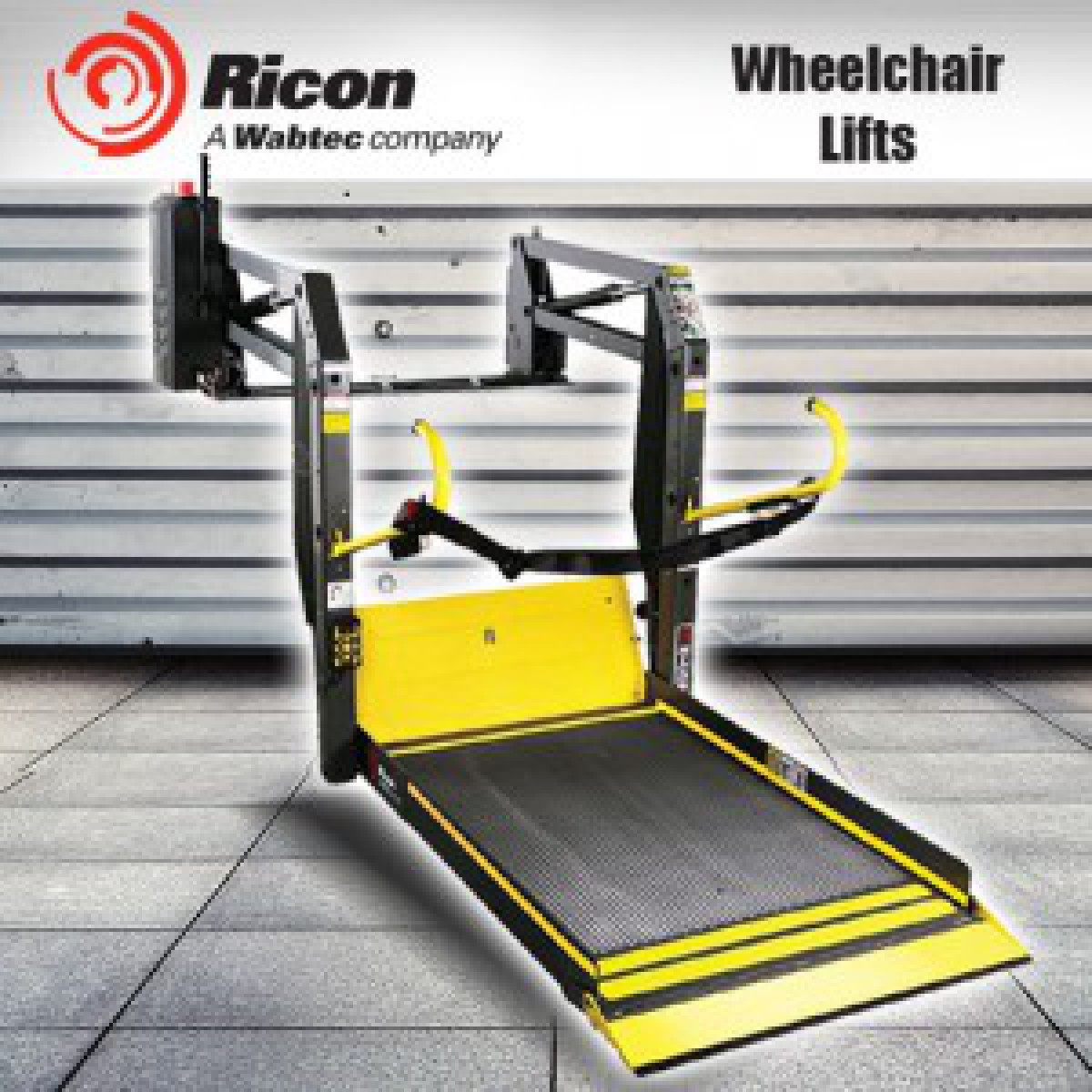
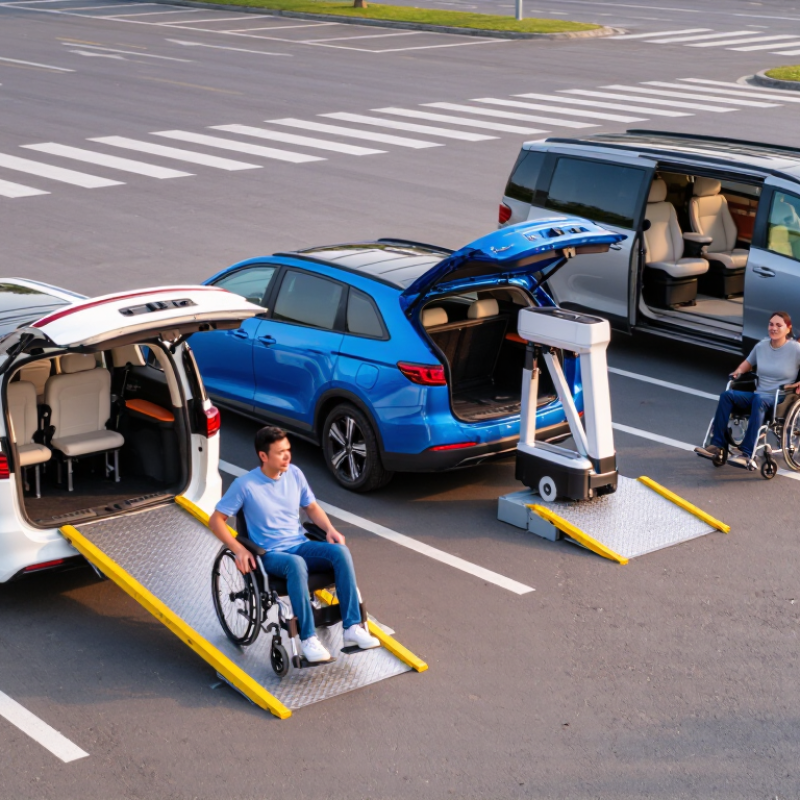
Wheelchair users who remain seated during travel often need a lowered-floor van. Its ramp or lift should match the chair’s weight, width, and turning radius. Measure the doorway carefully, including mirrors, footrests, and hand rims. A powered ramp saves effort, but it requires reliable battery access and regular inspection. Side-entry layouts usually offer easier parking access, while rear-entry designs may suit narrow driveways.

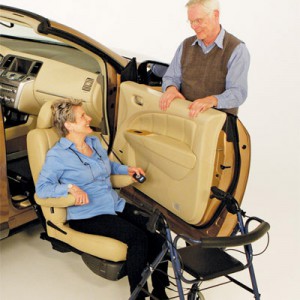
Passengers who can transfer may prefer a modified SUV, crossover, or sedan. Swivel seats, transfer boards, grab handles, and hand controls can reduce strain. SUVs provide useful ground clearance, but their higher floors may challenge people with weak legs. Sedans are easier to enter for some users, although they often provide less room for mobility equipment. Every solution depends on body strength, balance, caregiver support, and daily travel distance.

Families transporting more than one wheelchair may need a full-size accessible van. Flexible seating helps, but extra length can make tight streets uncomfortable. Test the vehicle with the actual chair, cushion, and caregiver before purchase. Ask a qualified mobility specialist to check restraint points, ramp angles, braking performance, and local certification requirements. Imported conversions can create service delays. That detail is easy to underestimate. Even experienced buyers sometimes focus on the vehicle and overlook replacement parts, climate conditions, or road quality. A practical choice may look less stylish, yet feel safer during a rainy transfer or a crowded hospital visit.

Regional Laws, Import Rules, and Ownership Considerations

Regional laws can change the best accessible vehicle for each buyer. A wheelchair ramp approved in one country may require new testing elsewhere. Check local rules for vehicle dimensions, ramp angles, restraint systems, emissions, and crash safety. Registration offices may also require certified conversion documents and inspection records.

Import planning needs careful paperwork. Confirm the vehicle’s steering side, customs classification, import duty, value-added tax, and age restrictions. Some regions require compliance with national lighting, glass, braking, and accessibility standards. A licensed customs agent and an approved vehicle inspector can reduce costly mistakes. Do not rely only on a seller’s specification sheet.

Ownership continues after delivery. Local technicians should understand hydraulic lifts, electrical controls, wheelchair restraints, and battery systems. Parts availability matters, especially outside major cities. Ask whether the ramp can be repaired locally and whether emergency roadside support is practical. An occupational therapist can assess transfer height, seating position, and caregiver access. That advice may reveal problems hidden during a short test drive.

The cheapest import can become the most expensive lesson. I would also leave space for changing regulations and unexpected adaptation costs. A small parking measurement can prevent a daily problem. Measure the garage, driveway, turning area, and curb height before purchase. Keep translated manuals, inspection certificates, and modification invoices with the vehicle’s permanent records.

How to Compare and Choose the Right Accessible Vehicle

Choosing a 2026 accessible vehicle begins with the user, not the vehicle category.

Ask how the passenger enters, exits, travels, and stores mobility equipment. A side-entry ramp may suit frequent wheelchair users. A rear-entry design may work better in narrow parking spaces.

Measure wheelchair length, width, height, and turning clearance. Measure twice. Online photos can hide a low doorway or difficult threshold.

Record transfer methods, caregiver position, and whether the chair remains inside.

Compare safety and daily operation carefully.

Check restraint points, ramp load capacity, floor height, threshold size, and available headroom. Access comes first.

Powered ramps need a manual release. Power can fail.

Test door controls, visibility, seat transfers, and emergency access with a qualified mobility specialist.

Confirm modification requirements in the destination country, because standards and registration procedures differ. A vehicle that meets one market’s expectations may need changes elsewhere.

For global buyers, ownership conditions matter as much as cabin space.

Compare charging or fueling access, road quality, climate exposure, replacement parts, trained technicians, warranty coverage, import costs, and approval procedures.

Request written dimensions, payload limits, ramp angles, and service intervals.

Test the vehicle on a curb slope, narrow parking space, wet ramp, and uneven road.

My first comparison is rarely perfect. I would rather reject a polished cabin than discover a painful transfer later.

Let the primary user repeat entry and exit several times before signing.