
















Why Choose Picosecond Laser for Your Business?
Picosecond Laser is changing how modern aesthetic, dermatology, and tattoo-removal businesses evaluate treatment technology. It delivers ultra-short energy pulses, measured in picoseconds, to target selected pigments with limited heat exposure. For many clinics, this can support faster workflows, broader treatment options, and a more competitive patient experience. However, performance depends on the device, operator skill, patient profile, and treatment goals.
A sound business decision begins with evidence rather than impressive demonstrations. Review clinical research, regulatory documentation, warranty terms, service response times, and training quality before purchasing. Ask how the platform handles common concerns, such as uneven pigmentation, acne scars, and unwanted tattoos. Examine real treatment protocols, not only polished before-and-after photographs. A reliable supplier should explain contraindications, expected sessions, recovery requirements, and possible adverse effects clearly.
The financial case also deserves careful measurement. Calculate the purchase price, installation, consumables, maintenance, staff training, and room utilization. Compare these costs with realistic demand in your market. A Picosecond Laser may improve revenue, but returns are never automatic. Some assumptions may fail. Patient retention may be lower than expected, or additional clinical supervision may be necessary. Start with a documented consultation process and measurable goals, such as treatment completion rates, patient satisfaction, and downtime. When technology, clinical judgment, and honest communication work together, the laser becomes more than equipment. It becomes a responsible investment in patient care and sustainable business growth.
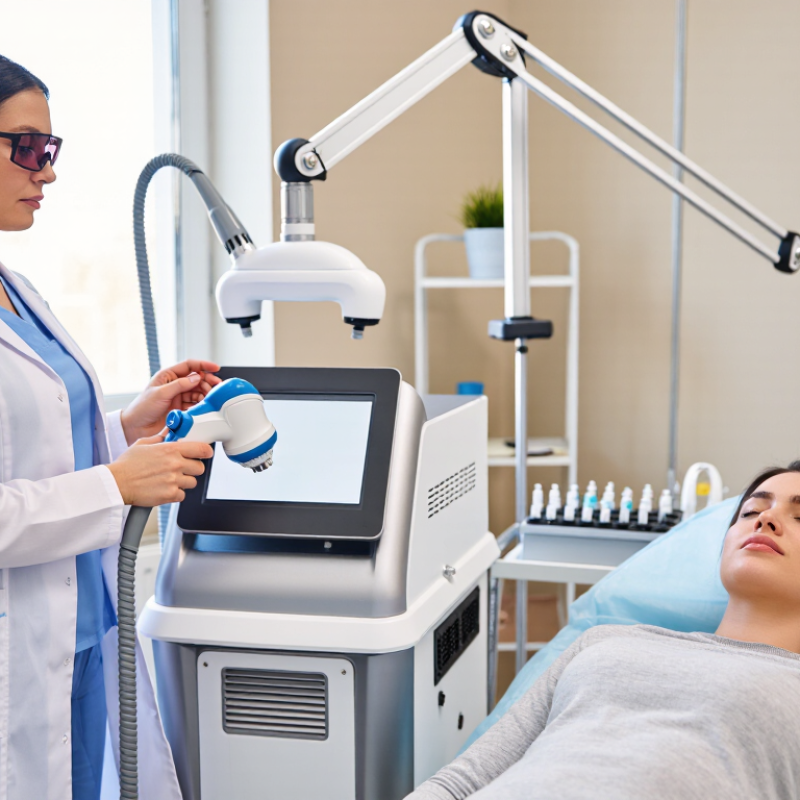
Define Picosecond Technology: Ultrashort 10⁻¹²-Second Laser Pulses
Why Choose Picosecond Laser for Your Business?
Picosecond technology uses ultrashort laser pulses lasting about 10⁻¹² seconds. This brief duration can deliver high peak power with less surrounding heat. The process may help break selected pigments or surface materials into smaller particles. A controlled pulse often supports faster energy release and more precise treatment. It sounds simple. It is not magic.
For businesses, precision can improve workflow consistency and client confidence. However, results depend on wavelength, pulse energy, spot size, material type, and operator training. In practical use, technicians should inspect the target area, confirm settings, and record each adjustment. Cooling, protective eyewear, and calibrated equipment also matter. I have found that rushing setup creates avoidable variation. Some applications still require multiple sessions or repeated passes.
Tips: Start with a professional assessment and a documented test area. Match the wavelength to the target, not the marketing claim. Use conservative settings when conditions are uncertain. Review outcomes under consistent lighting and keep clear maintenance records. Ask qualified safety personnel to verify ventilation, electrical protection, and operating procedures. A reliable system needs skilled handling, not only impressive specifications.
