










What Are the Top Types of Beet Root Juice Powder?
Beet Root Juice Powder has become a practical choice for smoothies, sports drinks, and everyday nutrition. It offers beetroot’s earthy flavor in a concentrated, shelf-stable form. However, not every powder delivers the same experience or nutritional profile. Processing methods, beet varieties, growing conditions, and storage can all influence the final product.
The top types usually include natural beet juice powder, nitrate-standardized powder, organic powder, fermented powder, and blends with added ingredients. Natural versions may provide a fuller beet flavor and deeper color. Nitrate-standardized products focus on consistent nitrate levels, which can matter to athletes and carefully planned diets. Organic options emphasize certified farming practices. Fermented varieties may taste less earthy, although their benefits should not be assumed without reliable testing. The categories are not always neat.
A thoughtful comparison should examine ingredient transparency, laboratory testing, origin, drying method, and serving information. Look for products that clearly state whether they use beet juice or whole beet powder. That distinction can be easy to miss. A reputable manufacturer should explain its quality controls and avoid exaggerated promises. In practical use, solubility matters too. Some powders dissolve smoothly in cold water, while others settle like fine red sand at the bottom of a glass. Taste remains personal, and even a well-tested product may not suit everyone. This guide explores the leading types of Beet Root Juice Powder and explains where each option may fit best. It also considers limitations, because product labels rarely tell the entire story.
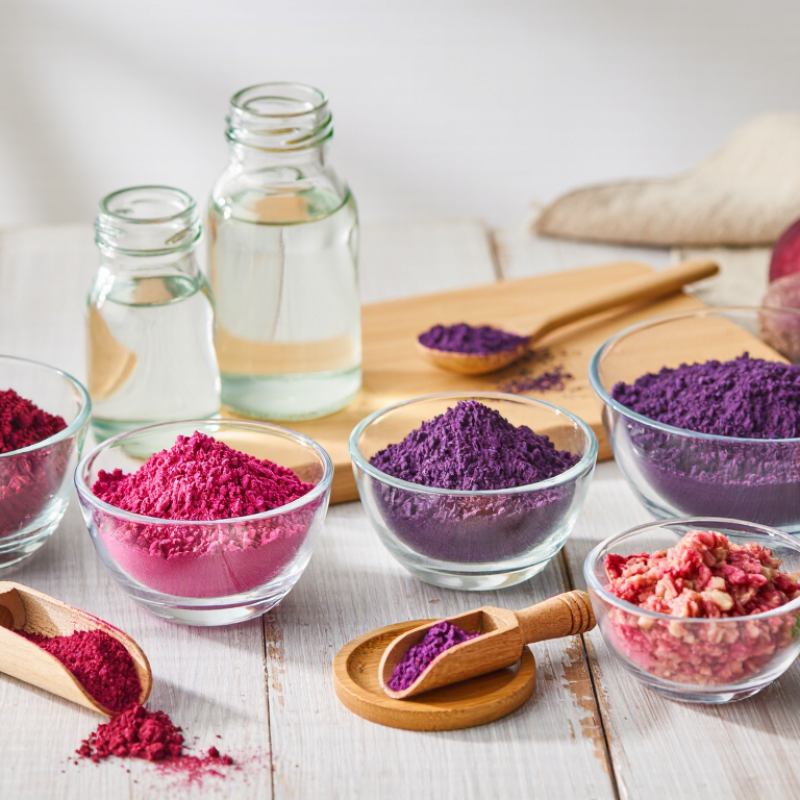
Beetroot Juice Powder Basics: Nitrate Levels Commonly Reach 2–8%
Beetroot juice powder is available in several useful forms. Plain juice powder is the most straightforward choice. It usually contains beet solids, natural sugars, and water-soluble compounds. Concentrated powder uses less material for a stronger serving. Freeze-dried powder may preserve a fresher color and sharper earthy taste, while spray-dried powder often dissolves more easily.
Nitrate deserves closer attention. Beetroot juice powder commonly reaches nitrate levels of about 2–8%, but this range is not universal. Results can change with beet variety, harvest conditions, extraction, and drying temperature. A reliable product should state nitrate content clearly and provide batch testing details. Check whether the percentage refers to nitrate itself or the full powder weight. Those numbers are easy to misunderstand. Nitrate is also different from nitrite.
In a glass, concentrated powder may produce a deep ruby color and a dry, earthy aroma. Some powders leave fine sediment at the bottom, especially when mixed with cold water. Stirring twice helps, though it does not always create a smooth drink. I would compare the serving size with the nitrate amount, rather than judging quality by color alone. A bright red powder can still have modest nitrate content. Testing matters more than appearance.
Storage deserves attention too. Moisture can cause clumping and weaken the powder’s texture. Keep the container sealed and use a dry spoon. My own preference would be a clearly tested powder with a transparent nitrate figure, even if its flavor is less pleasant. Expect variation.
