







What Are the 2026 Top Incontinence Pad Types?
Choosing the right Incontinence Pad in 2026 will depend on protection level, body shape, mobility, skin health, and daily routine. A product that works during a short commute may fail during overnight use. That difference matters.
Dr. Paul Abrams, a respected urologist and continence-care researcher, has stated, “Urinary incontinence is a symptom, not a disease.” His observation encourages readers to look beyond absorbency claims. Leakage may relate to stress, urgency, limited mobility, medication, childbirth, or an untreated health condition. Pads can support daily confidence, but they should not replace professional assessment when symptoms change suddenly.
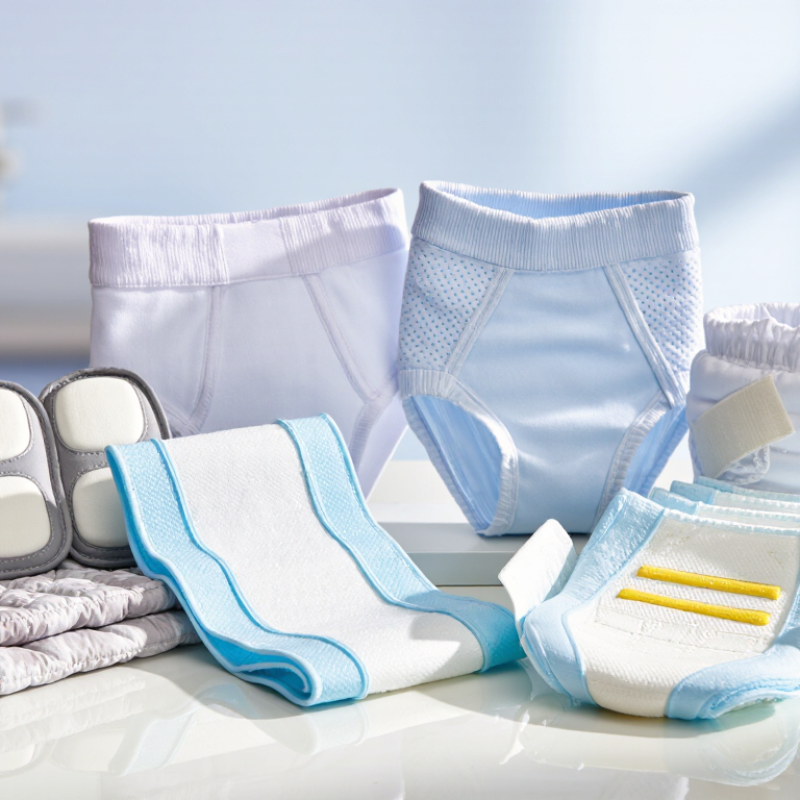
This guide examines the leading Incontinence Pad types expected to attract attention in 2026. It covers slim liners for light leakage, shaped pads for moderate protection, male guards, pull-up underwear, and high-absorbency adult briefs. It also considers reusable fabric options, breathable back sheets, odor control, wetness indicators, and skin-friendly materials. Small details can change comfort. A soft edge may prevent rubbing. A secure adhesive strip may keep the pad centered during walking. A wetness indicator can simplify care for users and caregivers.
There is no universal winner. Not even close. Some “advanced” designs feel bulky under clothing. Reusable products may reduce waste, yet they require careful washing and drying. The best choice balances reliable protection, comfort, discretion, cost, and medical needs. Readers should compare product specifications carefully and seek clinical advice for persistent or worsening incontinence.
What Defines a Top Incontinence Pad Type in 2026?
What defines a top incontinence pad type in 2026? It is not maximum absorbency alone. A top option matches flow, body shape, mobility, and changing routines. Pull-up designs suit independent users needing underwear-like handling. Tab-fastened pads support quicker checks for people needing assistance. Slim liners suit light, occasional leakage, not heavy urinary loss. Fit comes first. Always.
Independent testing should measure retention, rewet, leakage, odor control, and skin contact. ISO 11948-1 provides a recognized absorbency test. However, laboratory capacity is not daily comfort. Fortune Business Insights and Grand View Research place the global adult incontinence market in the mid-to-high US$17 billion range for 2023. Both reports forecast continued growth through this decade. That scale raises expectations for evidence, not louder claims.
Material safety also defines quality. Soft back sheets, secure leg gathers, and breathable layers can reduce damp contact. Yet “breathable” needs measurable air-permeability evidence. EDANA sustainability guidance stresses lifecycle data, material efficiency, and responsible waste claims. Compostable sounds attractive. It is not automatically practical. Product choice should include waist measurement, absorbency rating, skin condition, and replacement frequency. Care teams should check fit after sitting, walking, and overnight use. Small leaks matter. So does dignity. No product wins every situation; testing can miss heat, friction, or rushed changes. That limitation deserves honest disclosure.
