















China Top 10 Red Light Therapy Face Mask Suppliers
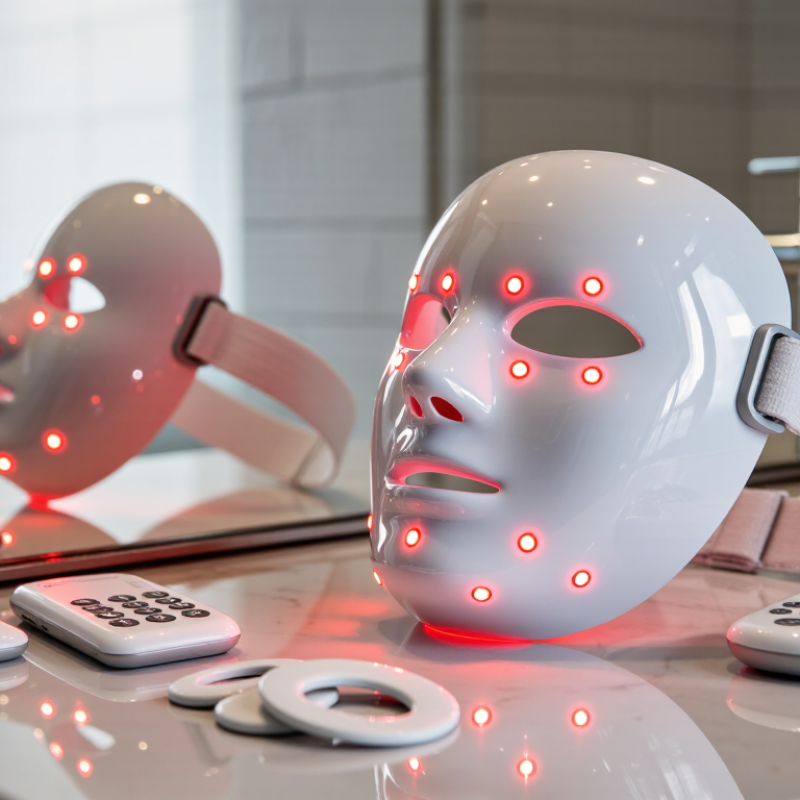
A red glow in a bathroom mirror can make a face mask look persuasive. But buyers need more than polished photos. This guide to China’s top 10 red light therapy face mask suppliers compares product specifications, manufacturing transparency, quality controls, customization options, and after-sales support. It also distinguishes clearly stated facts from claims that need independent verification. Small details matter: wavelength ranges, timer settings, eye protection guidance, and the fit around the nose can shape the user experience.
Red Light Treatment Face products are not interchangeable. Photomedicine researcher Dr. Michael R. Hamblin’s published work emphasizes that light source, wavelength, and dose are important factors in photobiomodulation. That is a useful lens for assessing supplier claims, not a guarantee that any mask will produce a particular result. Ask for test reports and clear instructions. Check what the documents actually cover. A certificate or lab report should not be treated as proof of every marketing claim.
The supplier list aims to help importers, distributors, and private-label brands ask better questions before requesting samples. A ranking can look cleaner than real purchasing decisions. It cannot replace hands-on testing, careful review of documentation, or feedback from intended users. Some manufacturers may offer excellent customization yet provide limited public evidence; that gap deserves attention. The right partner is not always the one with the brightest promises. It is the one whose specifications, support, and evidence hold up under scrutiny.
Understanding Red Light Therapy Face Masks and Their Applications
Red light therapy face masks use light-emitting diodes to deliver selected wavelengths to the face. Many devices use red light, while some also include near-infrared light. Their intended cosmetic uses may include supporting the appearance of smoother skin or a more even-looking complexion. They are not a substitute for diagnosis or treatment by a qualified health professional.
Light matters. Wavelength, output, session length, and distance from the skin can differ between devices, so one mask’s instructions should not be applied to another. Fit matters too. A loose mask may leave areas unevenly exposed, while a tight one can feel uncomfortable. Results vary, and visible changes may be modest or take time. The evidence is still developing; that uncertainty deserves honest attention.
When comparing suppliers, look for clear technical specifications, user instructions, and information about eye protection and device testing. A dependable supplier should explain how often to use the mask and when to stop, such as if irritation occurs. Check that the mask sits comfortably and can be cleaned according to its instructions. Small details count. A polished product page alone is not proof of performance.
