

















7 Tips to Choose the Best Luxury Sofa Fabric
Choosing the best luxury sofa fabric involves more than admiring a beautiful sample under showroom lights. A sofa may become a reading chair, a family gathering place, or an accidental snack table. Each use changes the fabric’s demands. Velvet can create rich shadows, while linen offers relaxed texture and natural variation. Leather may age beautifully, but it needs careful attention to sunlight and moisture. The ideal luxury sofa fabric must balance appearance, comfort, durability, and maintenance.
This guide presents seven practical tips for making that decision with greater confidence. It considers fiber content, weave structure, abrasion performance, stain resistance, colorfastness, and care requirements. Reliable manufacturers should provide clear specifications and testing information, including Martindale or double-rub results where appropriate. These figures help, but they do not tell the whole story. A high rating cannot replace honest consideration of pets, children, climate, and daily habits.
I learned this after choosing a pale textured fabric that looked exceptional in a quiet showroom. At home, its raised weave revealed every crumb and caught easily on a metal zipper. The choice was not disastrous, but it was less practical than expected. That experience remains useful. Fabric decisions deserve both expert guidance and personal reflection. Touch the sample, examine it in natural light, and request a larger cutting before ordering. Luxury should feel beautiful, not stressful. Some compromises are unavoidable. The goal is to choose one you can appreciate for years.
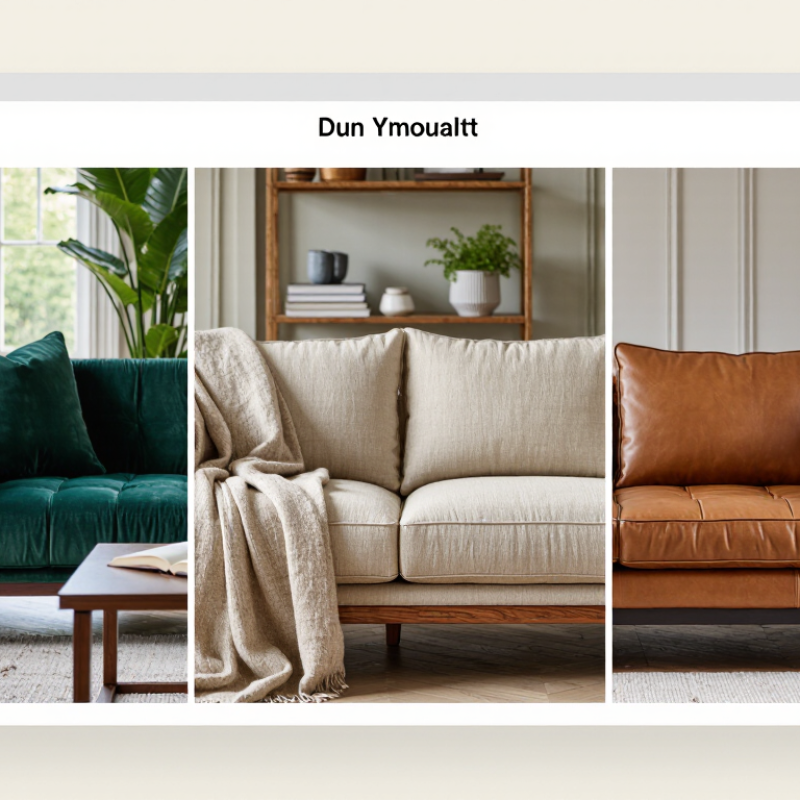
Define Luxury Through Fiber, Weave, and Performance Standards
7 Tips to Choose the Best Luxury Sofa Fabric
Define Luxury Through Fiber, Weave, and Performance Standards
Luxury begins with the fiber, not the price tag. Examine wool, linen, cotton, silk, and high-quality synthetics by touch and origin. Textile Exchange’s Materials Market Report 2024 estimates global fiber production reached 124 million metric tons in 2023. Polyester represented approximately 59% of output. That scale makes fiber selection an environmental and performance decision. Look for recycled content, traceable sourcing, and honest composition labels. A beautiful blend can still disappoint.
Study the weave closely. Tight jacquard, bouclé, and basket weaves create different visual depth and wear patterns. Hold the fabric against light. Uneven gaps may signal weakness. Rub a hidden corner with a clean cloth. Color transfer matters. Then check ACT Upholstery Fabric Performance Guidelines for abrasion, pilling, seam slippage, and colorfastness testing.
Do not judge durability by softness alone. Softness can mislead. Ask for verified test results, not vague claims such as “commercial grade.” Martindale results can help, but testing methods and fabric weight still affect interpretation.
Match performance to real life. Choose stain resistance for children, pets, or frequent entertaining. Select lightfast fabric near large windows. Inspect the backing and stitching, because seams often fail before the surface.
Request a care sheet and a physical sample. Live with it for several days. I have learned that a sample under showroom lighting can look surprisingly different at home.
