









What Is a Pneumatic Air Pick and How Does It Work?
A Pneumatic Air Pick is a compact tool that uses compressed air to deliver rapid, forceful impacts. It is commonly used for breaking concrete, loosening compacted soil, removing masonry, and opening narrow channels. Unlike electric breakers, it has no internal motor or battery. Instead, pressurized air drives a piston inside the tool, creating repeated blows through a fitted bit.
The operating principle is simple but surprisingly precise. When the trigger opens the air valve, compressed air enters the cylinder. The pressure pushes the piston forward, striking the bit against the working surface. Internal ports then redirect the airflow, moving the piston back for another cycle. This motion can repeat hundreds or thousands of times per minute, depending on the model, air pressure, and tool design. You can feel the vibration through the handle.
In practical work, performance depends on more than impact speed. A clean air supply, correctly sized hose, suitable compressor, and sharp bit all affect results. Manufacturers usually specify operating pressure and air consumption, so those figures deserve careful attention. Ignoring them may cause weak impacts or premature wear. The tool can also become tiring during extended use. That point is easy to underestimate. Proper eye, hearing, hand, and foot protection remains essential, especially when chips and dust scatter across the work area. Although the mechanism appears straightforward, safe and efficient operation requires training, inspection, and realistic expectations. This guide explains how a Pneumatic Air Pick works, where it performs best, and what experienced users should consider before choosing one.
Pneumatic Air Pick Defined: A 90–100 psi Compressed-Air Impact Tool
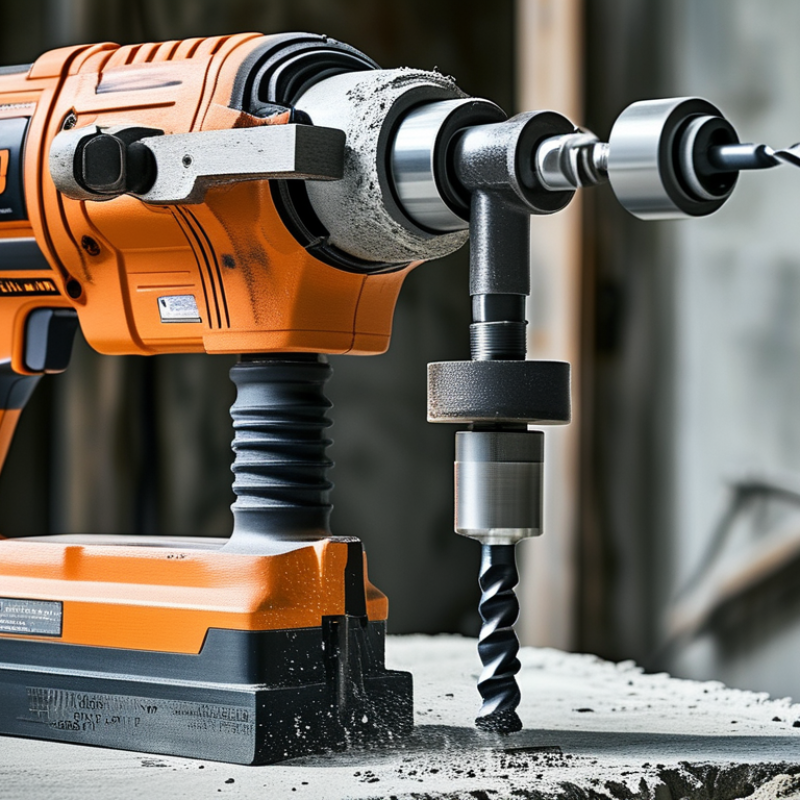
A pneumatic air pick is a compact impact tool powered by compressed air, not electricity or fuel. Its normal working range is 90–100 psi, equal to about 6.2–6.9 bar. Inside the housing, a control valve directs air against a reciprocating piston. The piston strikes a fitted bit, converting air pressure into repeated impacts. Operators use these impacts to break compacted soil, scale, asphalt, masonry, and other resistant materials.
The pressure number is not a performance promise. Actual force depends on piston size, stroke length, air volume, hose diameter, and bit condition. A restricted hose can make a 100 psi supply feel surprisingly weak.
The U.S. Department of Energy’s Improving Compressed Air System Performance guide reports that leaks may waste 20–30% of compressor output. That loss can reach the tool before work begins.
A regulator, moisture separator, and properly sized hose provide more reliable operation.
Noise and vibration require equal attention. NIOSH recommends limiting occupational noise exposure to 85 dBA over eight hours, using a 3 dB exchange rate. Air picks can exceed that level, especially near concrete or steel.
Hearing protection, eye protection, gloves, safety footwear, and controlled bit inspection are practical safeguards. One field assumption deserves review: heavier pressure is not always better.
Excess pressure may accelerate wear, increase noise, and reduce control. The correct setting should be verified at the tool inlet, not only at the compressor.
