












What Is a Pharma Filling Machine and How Does It Work?
A Pharma Filling Machine transfers measured pharmaceutical products into containers with controlled accuracy and repeatability. It may fill vials, bottles, syringes, or ampoules. The product can be a liquid, suspension, cream, or sterile solution. Precision matters.
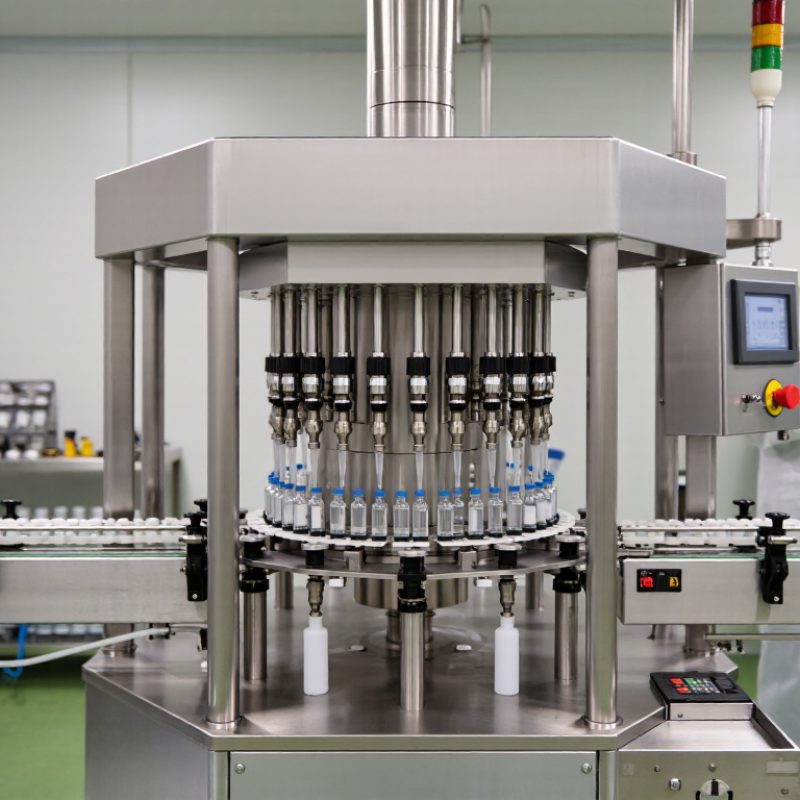
In practical operation, an operator loads cleaned containers onto a conveyor or indexing table. Sensors confirm their position before filling begins. A pump or piston then delivers a programmed volume through a filling nozzle. Peristaltic systems can reduce product contact with machine components, while piston systems often suit thicker formulations. After filling, the containers move toward stoppering, capping, or sealing equipment. The machine records critical settings, including speed, volume, and filling time.
Reliable performance depends on more than mechanical movement. Product viscosity, temperature, foaming, container shape, and nozzle design can affect results. GMP-based procedures usually require line clearance, cleaning validation, calibration, and documented batch controls. Experienced technicians also inspect dripping, splashing, underfilling, and air entrapment during production. Small errors compound.
A well-designed Pharma Filling Machine supports consistent dosing and safer handling, but it cannot replace process knowledge. Each formulation needs suitable contact materials, filling technology, and cleaning methods. A polished demonstration may hide difficult changeovers or maintenance demands. That is why equipment evaluation should include factory testing, operator training, and real product trials. The best choice is not always the fastest machine. It is the system that reliably protects product quality, container integrity, and patient safety under verified operating conditions.
What Is a Pharma Filling Machine?
A pharma filling machine is industrial equipment that measures and transfers medicines into containers such as vials, syringes, ampoules, or bottles. It supports controlled dosing, repeatability, and contamination reduction during fill-finish operations. A typical system includes a product tank, feed pump, filling needles, sensors, and a programmable control unit. The product may move by piston, peristaltic pump, or time-pressure filling.
The operating cycle is precise but not complicated. Empty containers enter through an infeed system. Sensors confirm their position, while calibrated nozzles dispense a defined volume. The containers then move toward stoppering, capping, or sealing equipment. In sterile production, the machine operates inside a controlled area, often with barrier technology and validated air protection. The machine itself does not automatically make a process sterile. That distinction matters.
A 2024 Grand View Research analysis estimated the global pharmaceutical fill-finish market at more than USD 9 billion in 2023, reflecting strong demand for accurate filling systems. FDA process-validation guidance also stresses continued process monitoring, not one successful batch. In practice, operators check fill weight, line speed, pressure, and container integrity. Small errors can become expensive waste. No filling machine is perfect. Product viscosity, foaming, temperature, and needle position can still affect accuracy. This is where routine calibration and thoughtful human review remain essential.
