









What Is a Maternity Pad and How to Choose One?
After childbirth, bleeding is expected, but managing it can feel unfamiliar and uncomfortable. A Maternity Pad is designed for postpartum lochia, which may contain blood, mucus, and small tissue particles. It usually offers more coverage and absorbency than a standard menstrual pad. The right choice can support comfort during recovery, especially when sitting, walking, or resting with a newborn.
Dr. Alyssa Dweck, a board-certified obstetrician and gynecologist, says, “Postpartum bleeding changes over time, so protection should change with it.” This practical point matters. Flow often feels heavier during the first days, then gradually becomes lighter. A suitable Maternity Pad should feel soft against sensitive skin, stay securely in place, and absorb without creating excessive heat. Fragrance-free materials may be preferable, since scented products can irritate healing tissue.
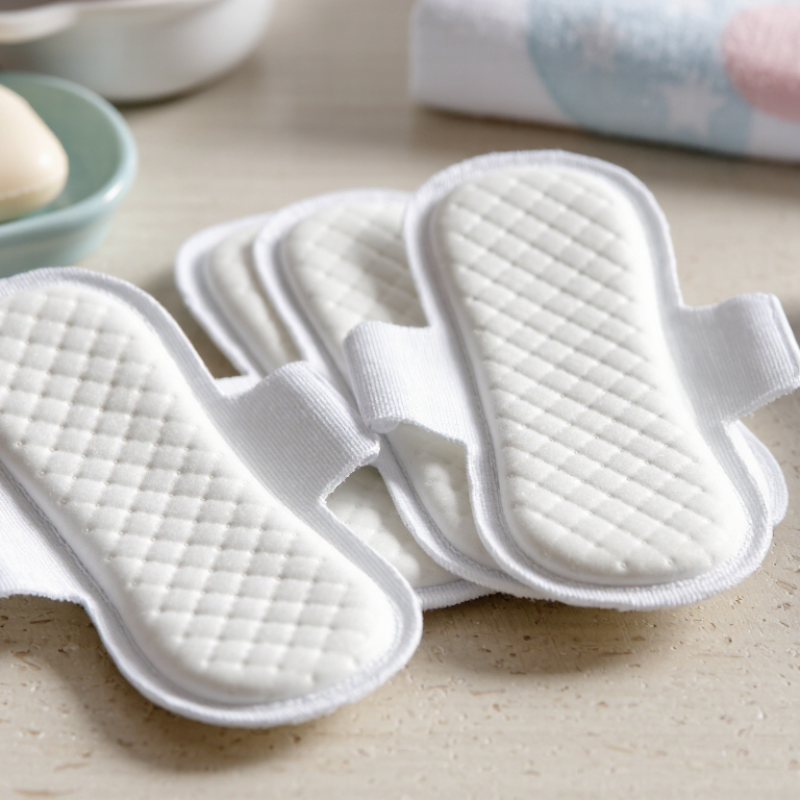
Look for a long, contoured design with reliable adhesive wings. Overnight styles can provide extra coverage while lying down. However, thicker does not always mean better. Some bulky pads feel uncomfortable between the legs. That detail is easy to overlook.
Your hospital may recommend specific products after delivery. Follow those instructions. Change the pad regularly, wash your hands, and monitor changes in bleeding. A sudden increase in flow, large clots, severe pain, dizziness, fever, or unpleasant odor requires prompt medical advice. Choosing a Maternity Pad is not only about absorbency. It is about fit, skin comfort, confidence, and knowing when normal recovery may need professional attention.
What Is a Maternity Pad and How Does It Differ From a Period Pad?
A maternity pad is designed for postpartum lochia, not ordinary menstruation. Lochia can contain blood, mucus, and tissue after delivery. It may be heavier during the first few days, then gradually change from red to pink or brown. A period pad is usually slimmer and shaped for shorter, more predictable bleeding. Maternity pads are longer, wider, softer, and more absorbent. They also offer better coverage when sitting, walking, or lying down.
The difference matters after birth. According to the World Health Organization’s 2023 guidance, postpartum haemorrhage means blood loss of at least 500 millilitres within 24 hours after delivery. It affects millions of women globally each year. A pad cannot measure blood loss accurately, so sudden soaking needs medical attention. Seek urgent advice if bleeding fills a pad within an hour, large clots appear, or dizziness and weakness develop. I used to think thicker always meant safer. That is not quite true. Poor fit can cause rubbing and leakage.
Tips: Choose fragrance-free materials and a soft, breathable surface. Select extra-long pads for night use or heavier flow. Change regularly, even when the pad is not full. Check comfort while standing and sitting. Follow your maternity team’s instructions, especially after stitches or a caesarean birth. Product labels can be useful, but personal comfort and bleeding changes matter more than absorbency claims.
What Is a Maternity Pad and How to Choose One? - What Is a Maternity Pad and How Does It Differ From a Period Pad?
| Comparison Dimension | Maternity Pad | Period Pad | Practical Selection Guidance |
|---|---|---|---|
| Primary Use | Designed to absorb lochia, the vaginal discharge that commonly occurs after childbirth, including blood, mucus, and uterine tissue. | Designed to absorb menstrual flow during a regular menstrual cycle. | Choose a maternity pad for postpartum bleeding, especially during the first days after delivery. Use a period pad only when postpartum flow has become lighter and your healthcare professional considers it appropriate. |
| Expected Flow Pattern | Postpartum bleeding is often heavier at first and typically changes from red to pink or brown, then to yellowish or creamy discharge as it gradually decreases. | Menstrual flow usually follows a shorter, familiar cycle and is generally less variable from day to day. | Select absorbency based on your current flow rather than relying only on the product label. A sudden increase in bleeding should not be managed by simply switching to a larger pad. |
| Absorbency | Usually offers higher absorbency and a larger absorbent core to manage heavier postpartum discharge. | Available in light, regular, heavy, and overnight absorbencies for menstrual needs. | For early postpartum use, look for a high-absorbency or overnight-style design. Replace the pad when it is wet, soiled, uncomfortable, or close to full. |
| Length and Coverage | Often longer and wider, with additional coverage toward the back to help reduce leaks while lying down or during movement. | Length and shape vary, but many everyday designs provide less overall coverage than postpartum pads. | Choose a longer pad with broad front-to-back coverage if you are resting in bed, experiencing heavy flow, or concerned about nighttime leakage. |
| Softness and Skin Comfort | Typically emphasizes a soft, breathable surface because the vulvar and perineal area may be tender after birth. | May prioritize thinness and flexibility for routine daily wear. | Prefer soft, breathable, unscented materials. Avoid products containing fragrance or deodorizing additives if they cause irritation or discomfort. |
| Wings and Fit | May include wider wings and a more stable shape to help keep the pad in place with mesh underwear or loose postpartum clothing. | Usually designed to attach to standard underwear and support normal daily movement. | Check that the adhesive and wings fit securely without rubbing. Disposable postpartum underwear can be useful when regular underwear feels uncomfortable or does not hold the pad in place. |
| Recommended Change Practice | Change frequently to maintain cleanliness and comfort, particularly after using the toilet or whenever the pad is wet or soiled. | Change according to flow, comfort, and hygiene needs; many users change several times during the day. | Wash hands before and after changing. Do not wear a saturated pad for an extended period, even when leakage has not yet occurred. |
| Perineal Care Compatibility | Can be used with postpartum care routines such as a peri bottle or clinician-recommended cold therapy, provided the pad remains comfortable and dry enough for use. | Generally not designed specifically for perineal wounds, stitches, swelling, or immediate postpartum care. | If you have stitches, significant swelling, or pain, follow your maternity care provider's instructions and choose products that do not press against sensitive areas. |
| Disposable or Reusable Options | Disposable pads are commonly chosen for convenience and hygiene during the heavier early postpartum stage. Reusable cloth options require thorough washing and drying. | Both disposable and reusable options are widely used for menstrual care. | For reusable products, follow the care instructions carefully and do not reuse a damp or inadequately cleaned pad. |
| When a Medical Check Is Important | Seek medical advice for very heavy bleeding, large clots, worsening pelvic pain, fever, foul-smelling discharge, dizziness, or bleeding that suddenly becomes heavier after improving. | Unusually heavy, prolonged, or painful menstrual bleeding may also require medical evaluation, but the warning signs are interpreted in a different clinical context. | Contact a healthcare professional promptly if bleeding soaks through a pad rapidly, you feel faint, or you are concerned about postpartum recovery. Follow the specific instructions given by your obstetric care team. |
