











How to Choose the Best Red Light Therapy Pod?
Choosing the best Red Light Therapy Pod requires more than comparing glowing panels or dramatic before-and-after photographs. Grand View Research estimated the global red light therapy market at approximately US$1.1 billion in 2023. Its report also projects continued growth through 2030. These figures show rising interest, not guaranteed treatment results. Market momentum cannot replace clinical evidence.
A reliable comparison begins with measurable specifications. Check the wavelengths, usually expressed in nanometers, and request verified irradiance data. Ask how the manufacturer measured power density, at what distance, and under which test conditions. Treatment time matters too. A high output is not automatically better. An adjustable timer, ventilation, eye protection guidance, and clear contraindication warnings improve practical safety. Look for quality systems, traceable testing, and transparent warranty terms. ISO 13485 or IEC 60601-related documentation may support confidence, but certification claims require verification.
Fit matters in real life. Can the pod accommodate your height without pressing against the LEDs? Is the interior easy to clean after perspiration? Will the door, fan, and controls remain usable during a twenty-minute session? These details are easy to overlook. They should not be. Fortune Business Insights also reports strong market expansion, yet its forecasts vary from other analysts. That uncertainty deserves honesty. I would rather choose a modest pod with published testing than an impressive-looking model with vague specifications. Speak with a qualified healthcare professional if you have photosensitivity, take light-sensitive medication, or manage a medical condition. No device should be treated as a substitute for diagnosis or professional care.
What Is a Red Light Therapy Pod and How Does It Work?
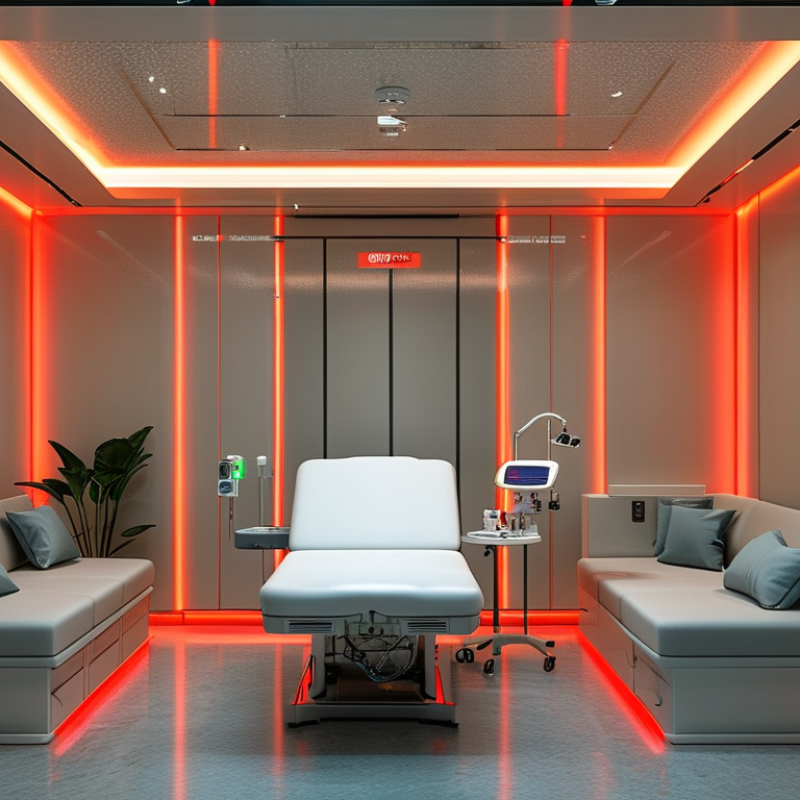
A red light therapy pod is an enclosed chamber lined with light-emitting diodes. It exposes much of the body at once. Unlike tanning equipment, it does not use ultraviolet radiation. Most systems provide red light near 630–660 nanometers and near-infrared light near 810–850 nanometers. These wavelengths can reach different tissue depths.
The proposed process is called photobiomodulation. Light energy may interact with cellular structures, especially mitochondria, which help produce energy. This interaction may support normal cellular activity, circulation, and tissue recovery. The effects are usually gradual. They are not the same as medical treatment, and research quality varies between conditions.
In practice, a session may last several minutes. Distance, intensity, wavelength, and skin coverage all matter. More light is not automatically better. Follow the device instructions and protect your eyes when required. People using photosensitizing medication, or managing an eye condition, should ask a qualified clinician first. I once assumed a longer session would produce faster results. That assumption was too simple. Consistent use and realistic expectations matter more than dramatic claims. A pod can feel warm, but warmth does not prove effectiveness. Check its published specifications, safety testing, treatment controls, and maintenance guidance before choosing one. Evidence is promising, but it is not perfect.
