How to Choose the Best Handicapped Accessible Van for Your Needs
Choosing the right vehicle is essential for individuals with mobility challenges, and a Handicapped Accessible Van can make a significant difference in enhancing independence and providing freedom. Whether it’s for personal use, family outings, or medical appointments, selecting the most suitable van can be both an exciting and daunting task. Factors such as accessibility features, size, and budget must all be considered to ensure that the van meets the unique needs of the user.
This guide aims to simplify the process by highlighting key aspects to consider when choosing a Handicapped Accessible Van. Understanding features such as wheelchair ramps, interior space, and adaptive technology will empower you to make an informed decision. By evaluating your specific requirements and preferences, you can find a van that not only facilitates mobility but also enriches your daily experiences. Emphasizing the importance of thorough research and customization, this article will help navigate through the available options and ultimately lead to the best choice for your lifestyle.
Understanding the Importance of Wheelchair Accessible Vans in Daily Life
Wheelchair accessible vans play a crucial role in the daily lives of individuals with mobility challenges. These vehicles serve not just as a mode of transportation but as a gateway to independence and social inclusion. For many, having access to a reliable van means the ability to attend work, go shopping, visit friends and family, and engage in community activities. The design of these vans, which incorporates features such as ramps and lifts, is specifically aimed at making travel easier and safer for wheelchair users.
Moreover, the importance of wheelchair accessible vans extends beyond mere convenience. They provide a sense of dignity and autonomy to those who rely on wheelchairs for mobility. The ability to navigate the world with confidence can significantly improve mental well-being and quality of life. Family members and caregivers also benefit from these vehicles as they offer peace of mind, knowing that their loved ones can travel comfortably and securely. Consequently, choosing the right van that meets individual needs is essential for fostering a positive and active lifestyle for those with disabilities.
How to Choose the Best Handicapped Accessible Van for Your Needs
| Feature |
Description |
Importance |
| Ramp Type |
Manual or automatic ramps for wheelchair entry. |
Ensures easy access for wheelchair users. |
| Interior Space |
Ample headroom and legroom for comfort. |
Provides a comfortable environment during travel. |
| Seating Arrangement |
Flexible seating configurations for caregivers and passengers. |
Accommodates different travel needs. |
| Safety Features |
Secure tie-downs and safety belts for the wheelchair. |
Ensures the safety of passengers during transit. |
| Accessibility Controls |
Ease of use for both drivers and passengers. |
Enhances independence for users. |
| Fuel Efficiency |
Comparison of typical miles per gallon (MPG). |
Helps reduce travel costs over time. |
| Warranty and Support |
Quality of the warranty coverage and availability of customer support. |
Assures long-term satisfaction and reliability of the vehicle. |
Key Features to Look for in Handicapped Accessible Vans
When selecting a handicapped accessible van, certain key features play a crucial role in ensuring both comfort and functionality.
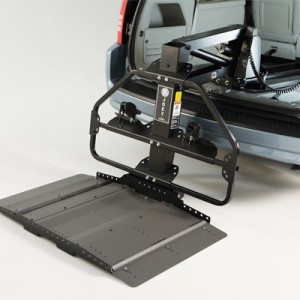
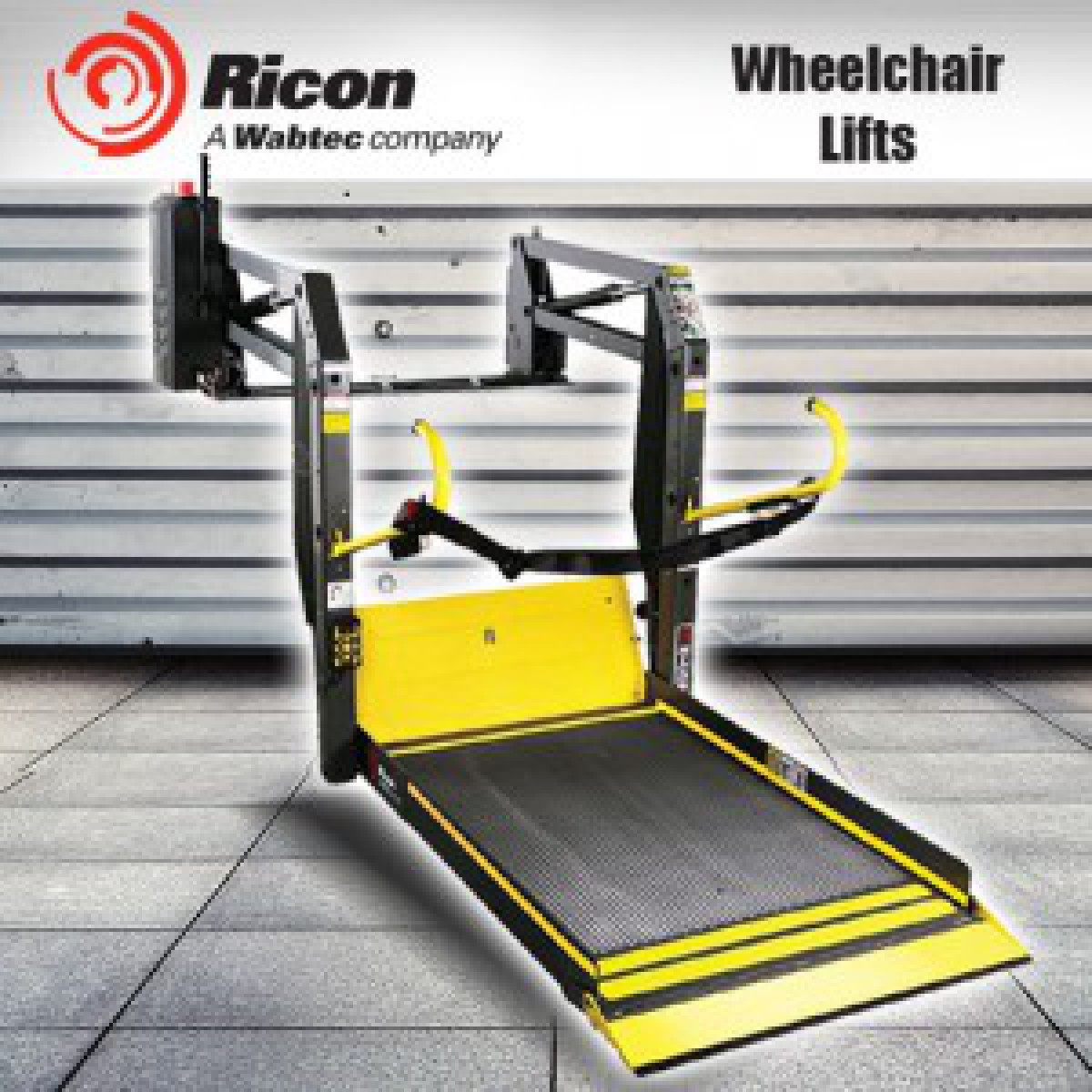
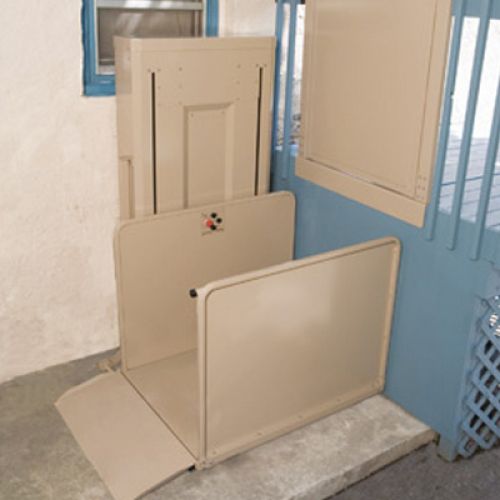
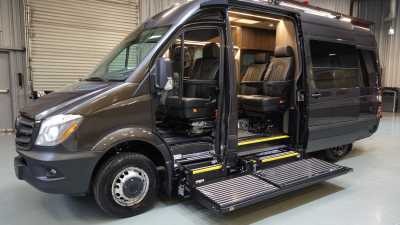
Firstly, the van should have a reliable ramp or lift system that is easy to operate. Look for options with a low incline to promote safety and ease of entry and exit for wheelchair users.
Additionally, verify that the ramp or lift can accommodate various types of mobility devices, providing versatility for different user needs.
Interior space is another vital consideration. A well-designed handicap accessible van should offer ample room for maneuverability, allowing the user to move freely within the vehicle.
Swivel seats can enhance accessibility, making it easier for passengers to enter and exit. Furthermore, adjustable seating can accommodate different requirements, ensuring a comfortable journey for everyone on board.
Make sure to assess the materials used inside the van as well; they should be durable and easy to clean, maintaining a fresh and welcoming environment for daily use.
Assessing Size and Space Requirements for Optimal Comfort
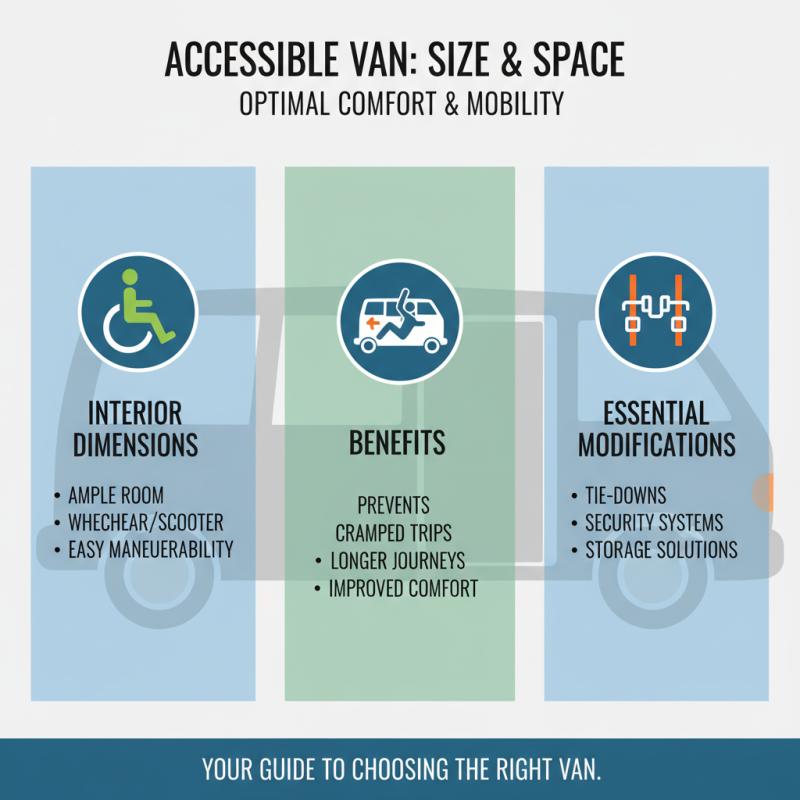
When selecting a handicapped accessible van, assessing size and space requirements is pivotal for ensuring optimal comfort. The interior dimensions of the van should provide ample room for the mobility device, whether it be a wheelchair or scooter, while also allowing for easy maneuverability. A spacious interior helps prevent cramped situations, especially during longer journeys, and can accommodate essential modifications such as wheelchair tie-downs and securement systems.
In addition to interior space, consider the height and width of the van's entrance. A wider ramp or lift can facilitate smoother transitions for passengers and their mobility aids. It's also crucial to evaluate the seating arrangements within the van. The ability to configure seating to meet individual needs can enhance comfort and convenience, allowing for family or caregiver involvement during travels. Ultimately, a well-considered approach to size and space will lead to an enhanced travel experience, ensuring that all passengers feel comfortable and secure on their journeys.
Evaluating Accessibility Modifications and Safety Features
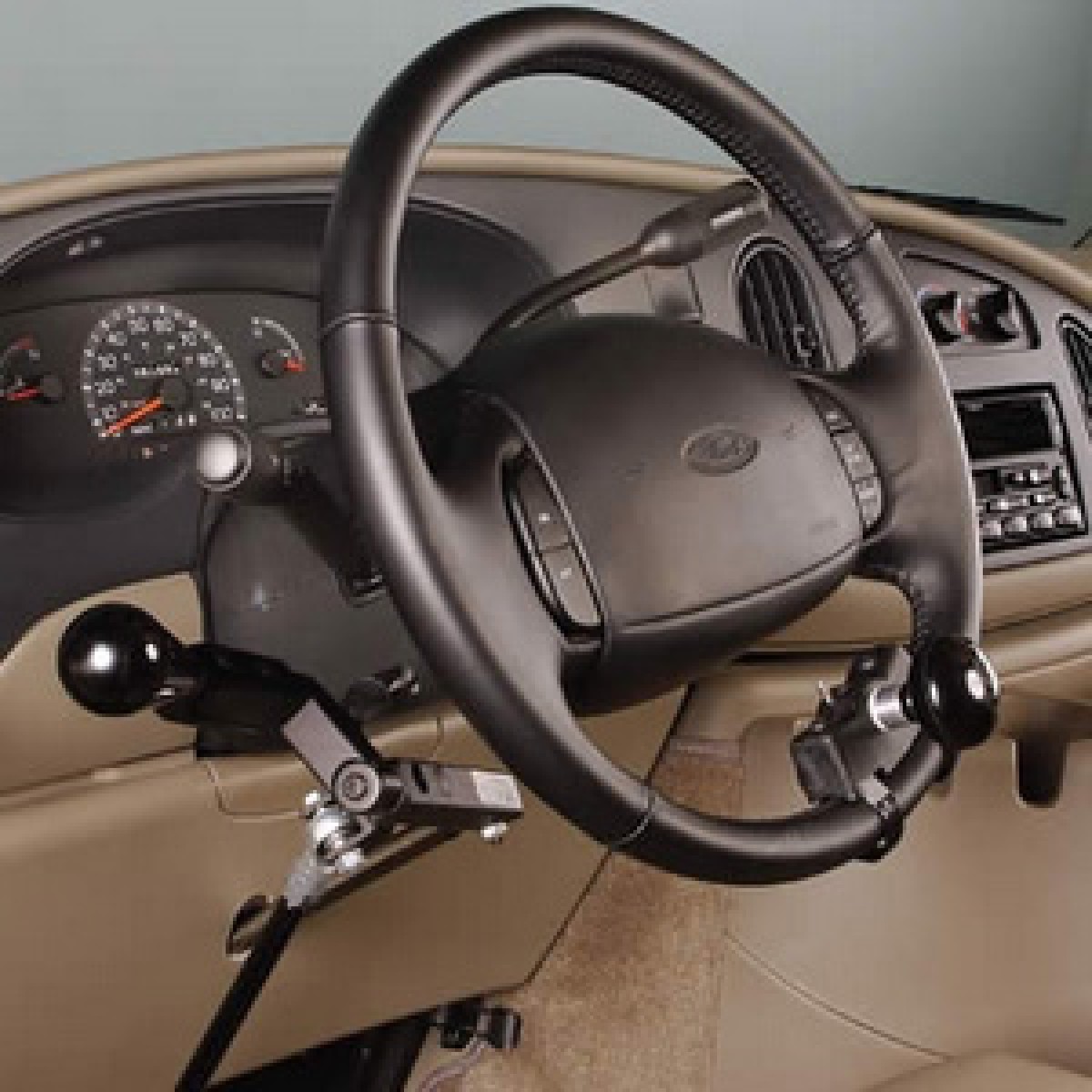
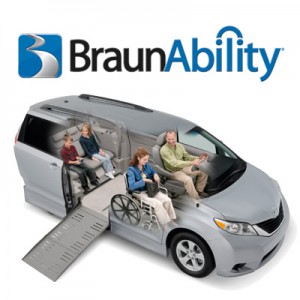
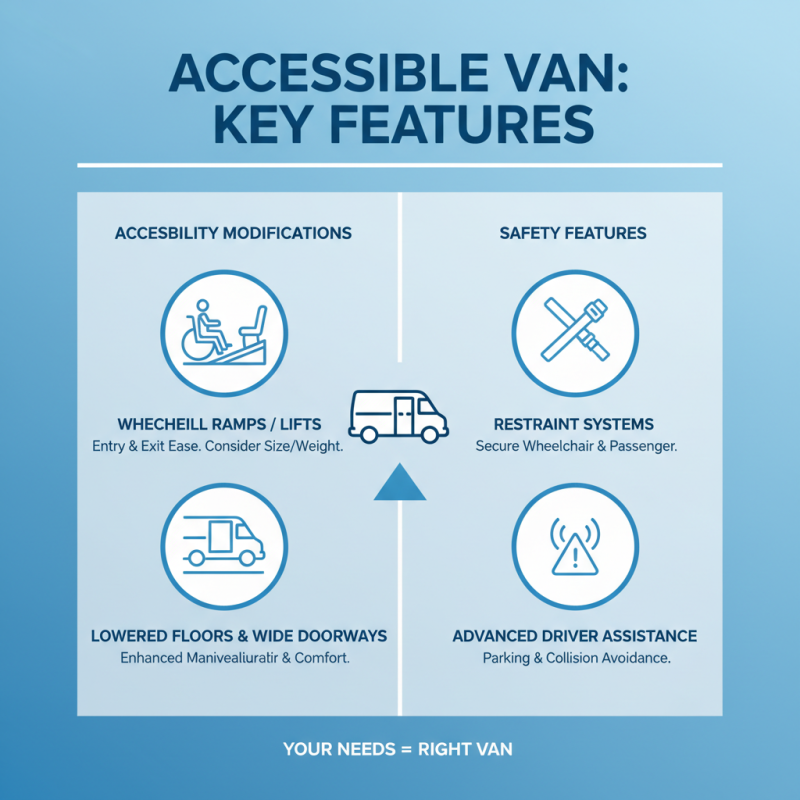
When choosing a handicapped accessible van, evaluating accessibility modifications and safety features is crucial to ensure that the vehicle meets your specific needs. Accessibility modifications can include features such as wheelchair ramps or lifts, which facilitate easy entry and exit from the van. It’s important to consider the size and weight of the wheelchair or mobility device, as this will influence the type of ramp required. Additionally, modifications such as lowered floors and wide doorways can enhance maneuverability for passengers with limited mobility, making everyday travel more comfortable and convenient.
Safety features should also be a top priority when selecting an accessible van. Look for vehicles equipped with secure tie-down systems to safely anchor wheelchairs and scooters during transit. It's essential that the vehicle has appropriate seating arrangements to ensure the safety of all passengers, especially those who may be in the vehicle without the use of a mobility device. Advanced safety technologies, such as rear-view cameras, automatic braking systems, and collision detection, add an extra layer of security while on the road. Assessing both accessibility modifications and safety features will lead to a more informed decision, allowing for enhanced independence and peace of mind during travel.
Costs and Financing Options for Purchasing Accessible Vans
When considering the purchase of a handicapped accessible van, understanding the costs and financing options is crucial. The price of these vehicles can vary significantly based on customization features, the type of ramp or lift, and the overall model. Typically, a new accessible van can range from $30,000 to over $70,000. It's important to do thorough research to find a vehicle that fits both your financial constraints and accessibility needs.
When it comes to financing, various options are available. Many buyers turn to traditional auto loans, but it's also worth exploring specialized financing programs designed for individuals with disabilities. Organizations and nonprofits may offer grants or loans with favorable terms. Additionally, some states have tax incentives or rebates for accessible vehicle purchases that can ease the financial burden.
Tips: Before making a decision, assess your budget carefully. Determine how much you can afford for a down payment and monthly payments without straining your finances. Also, consider the long-term costs, such as maintenance and insurance. Always read the fine print when it comes to financing agreements, ensuring there are no hidden fees that could impact your overall cost. Finally, don’t hesitate to reach out to local advocacy groups; they can often provide valuable resources and advice tailored to your situation.
Cost Breakdown for Handicapped Accessible Vans
This chart illustrates the average costs associated with purchasing a handicapped accessible van, including the base price, modifications, insurance, financing costs, and maintenance. Understanding these costs can help you make an informed decision when selecting the best accessible van for your needs.