





How to Choose Accessible Vehicles for Global Buyers?

Choosing Accessible Vehicles for Global Buyers requires more than comparing ramps, lifts, and dashboard controls. It requires evidence, local experience, and careful attention to individual mobility needs. The World Health Organization’s Global Report on Health Equity for Persons with Disabilities estimates that 1.3 billion people experience significant disability worldwide. That figure changes how manufacturers, dealers, and families should view vehicle access.

Transportation remains a practical barrier. The U.S. Bureau of Transportation Statistics reported that approximately 25.5 million American adults had travel-limiting disabilities. However, global buyers face different roads, climates, servicing networks, and import conditions. A wheelchair user may need a wide rear entry in one country, but stronger suspension and higher ground clearance in another. A parent transferring a child may value a stable side-access ramp more than maximum cabin space. Small details matter.

Ron Mace, a leading accessibility-design expert and pioneer of universal design, stated: “The design of products and environments to be usable by all people, to the greatest extent possible, without the need for adaptation or specialized design.” His principle remains highly relevant to Accessible Vehicles. Yet universal design is not a perfect answer. A vehicle can offer excellent access but still fail because of poor seat height, confusing controls, or limited repair support. Buyers should examine entry angles, turning space, restraint systems, battery range, weather protection, and technician training. Manufacturer specifications help. Real-world demonstrations help more. This guide compares those factors, while acknowledging one difficult truth: the best vehicle on paper may not be the best vehicle for one person’s daily route.
How to Choose Accessible Vehicles for Global Buyers?

Define User Needs: WHO Estimates 1.3 Billion People Live With Disabilities

How to Choose Accessible Vehicles for Global Buyers?

The World Health Organization estimates that 1.3 billion people live with disabilities worldwide. Its 2022 Global Report on Health Equity for Persons with Disabilities describes disability as a major global health and social issue. The World Health Organization and World Bank also reported that people with disabilities often face transport barriers. Therefore, accessible vehicle selection should begin with real user needs, not appearance.

Ask how the user enters, transfers, stores mobility equipment, and controls the vehicle. Measure wheelchair width, turning space, ramp angle, seat height, and door clearance. Consider sensory needs too. A quiet cabin may help some passengers. Clear visual controls can support others. Passenger age, caregiver support, road conditions, and climate also matter. A vehicle that works in a showroom may fail on a narrow street or uneven surface. That gap deserves more attention.

Tips: Speak with the driver and passenger together. Test entry with the actual wheelchair. Check loading space with daily equipment, not an empty sample. Review accessibility guidance from local transport authorities and international standards. The United Nations Convention on the Rights of Persons with Disabilities supports equal access to transportation, but implementation differs across markets. Avoid assuming one solution fits everyone. It does not. A checklist is useful, yet it can miss fatigue, anxiety, or a caregiver’s limited strength. Real-world trials remain essential.

Map Local Accessibility Rules Across the UN’s 193 Member States

How to Choose Accessible Vehicles for Global Buyers?

Map Local Accessibility Rules Across the UN’s 193 Member States

Choosing an accessible vehicle begins with a country-by-country compliance map, not a global product checklist. Across the UN’s 193 Member States, accessibility rules can differ by vehicle class, road use, and import status. A wheelchair lift approved in one jurisdiction may require fresh testing elsewhere. That detail is easy to miss. Build a working file for each target market. Record the transport ministry, customs authority, inspection agency, and disability-access regulator. Use current government pages, published standards, and written confirmation from local officials.

The file should compare minimum doorway widths, ramp angles, lift load ratings, wheelchair restraint points, and emergency exits. Check whether converted vehicles need structural certification or inspection before registration. Also verify traffic-side requirements, steering adaptations, insurance evidence, and driver licensing rules. Some countries apply different taxes to new, used, imported, or medically adapted vehicles. Translation matters too. A legal term can change the meaning of an exemption. Keep the original wording beside the translated note.

Local user research adds practical evidence. Speak with transport operators, wheelchair users, mechanics, and inspection officers. Ask how flooded streets, steep kerbs, heat, dust, or narrow parking spaces affect daily use. A vehicle may pass a test yet fail beside a crowded clinic. That uncomfortable gap deserves attention. Rules also change, and online summaries become outdated. Set a review date before shipment, then recheck every approval, measurement, and document. Do not assume regional similarity. It often hides costly differences.

How to Choose Accessible Vehicles for Global Buyers?

The Convention on the Rights of Persons with Disabilities (CRPD) provides an international policy baseline for accessibility. Ratification does not create identical vehicle rules, so buyers should still verify local requirements for wheelchair lifts, ramps, restraints, passenger space, registration, and driving adaptations.

Data: 191 UN member states are counted as States Parties to the CRPD and 2 are not parties, based on the UN Treaty Collection status reported for 2024. The figures indicate treaty status, not identical national vehicle-accessibility standards.

Check Wheelchair Restraints and Seating Against ISO 10542 Standards

How to Choose Accessible Vehicles for Global Buyers?

Accessible vehicle demand reflects a large and diverse market. The World Health Organization’s 2022 global report estimates that 1.3 billion people experience significant disability. The United Nations Disability and Development Report also identifies transport access as a continuing barrier. Vehicle selection must therefore examine safety equipment, not only door height or ramp length.

ISO 10542 provides a practical benchmark for wheelchair tiedown and occupant restraint systems. Buyers should check whether four securement points hold the wheelchair firmly during dynamic testing. The occupant belt should cross the pelvis and shoulder, avoiding the neck and abdomen. A qualified installer must confirm belt angles, anchor strength, clearance, and compatibility with the vehicle floor. ISO compliance is not automatically a guarantee of local approval. Market-specific rules still matter. That detail is easy to miss.

Tips: Ask for the ISO 10542 test documentation, installation drawings, and maintenance schedule. Sit in the wheelchair during a hands-on assessment. Check whether the restraint can be fastened without twisting or excessive force. Inspect webbing, buckles, and floor anchors regularly. A short demonstration is useful, but it cannot replace documented testing. Buyers should also record the wheelchair’s weight, dimensions, and center of gravity before purchase. Some sales advice feels confident, yet incomplete. Independent inspection remains worthwhile, especially when vehicles cross borders.

Compare Vehicle Prices, Conversion Costs, Incentives, and Warranty Coverage

Choosing an accessible vehicle requires more than comparing showroom prices. The World Health Organization reports that about 1.3 billion people, or 16% of the global population, experience significant disability. Demand is broad, but vehicle solutions remain highly individualized. Measure entry height, door width, seat transfer space, and loading clearance with the actual user’s wheelchair. A lower-priced vehicle may require expensive structural conversion later.

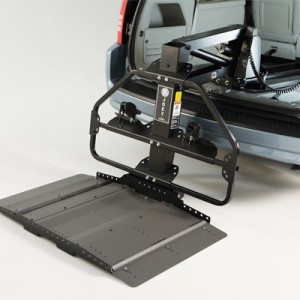
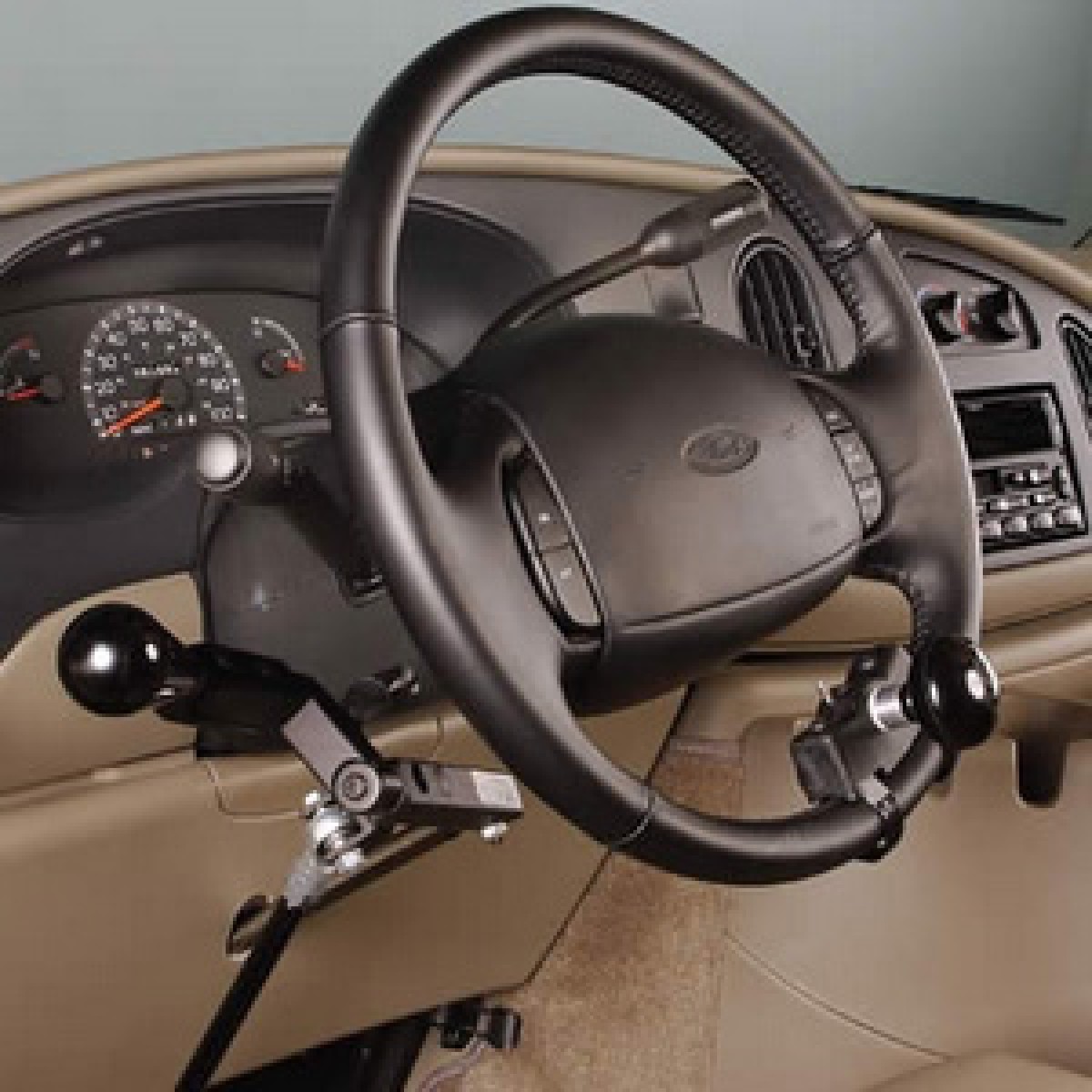
Conversion costs can include hand controls, ramps, lifts, lowered floors, and electronic adjustments. Request itemized quotes from qualified conversion specialists, including certification, installation time, maintenance, and resale effects. The 2024 IEA Global EV Outlook recorded nearly 14 million electric-car sales in 2023. However, electric platforms may have different floor heights and battery warranties. Check whether modifications affect warranty coverage, charging safety, corrosion protection, or battery servicing. Ask for written answers. Verbal assurances are weak evidence.

Incentives can change the real purchase price substantially. The U.S. Department of Energy’s Alternative Fuels Data Center shows that eligibility often depends on location, income, vehicle type, and registration status. Other countries use different schemes, and some exclude imported conversions. Compare the net cost after taxes, grants, delivery, adaptation, insurance, and scheduled maintenance. A five-year ownership spreadsheet helps expose hidden expenses. I still distrust a quote that looks perfect. Labor availability, replacement parts, and warranty exclusions can overturn the calculation. Keep copies of every approval and invoice. This is not glamorous, but it protects the buyer.

How to Choose Accessible Vehicles for Global Buyers? — Compare Vehicle Prices, Conversion Costs, Incentives, and Warranty Coverage
Market Recommended Accessible Vehicle Type Typical New Vehicle Price* Typical Conversion Cost* Common Accessibility Features Potential Incentives and Tax Relief Typical Warranty and Consumer Protection Key Buying Considerations
United States Full-size van or wheelchair-accessible minivan USD 35,000–65,000 USD 15,000–45,000 Rear or side-entry ramp, lowered floor, wheelchair restraints, transfer seat, hand controls, power kneeling suspension Possible state vocational-rehabilitation support, Medicaid or waiver-program assistance, employer vehicle-modification reimbursement, and federal medical-expense deductions where eligibility requirements are met Factory vehicle warranty commonly covers approximately 3 years or 36,000 miles; powertrain coverage is often longer. Conversion components usually have a separate installer warranty, commonly 1–3 years Check state registration rules, ramp dimensions, tie-down certification, insurance treatment, and whether modifications affect the original vehicle warranty
Canada Accessible minivan, SUV, or full-size van CAD 45,000–85,000 CAD 20,000–60,000 Side-entry ramp, powered lift, lowered floor, hand controls, electronic transfer aids, wheelchair docking system Provincial disability-support programs, workers’ compensation funding, medical-device tax treatment, and vehicle-modification grants may be available; rules differ by province New-vehicle warranties often begin around 3 years or 60,000 km, with longer powertrain coverage on many vehicles. Conversion warranties are normally separate and installer-dependent Confirm provincial funding approval before purchase, especially for imported conversions. Verify winter-weather performance, corrosion protection, and local service availability
United Kingdom Small accessible MPV, minivan, or adapted SUV GBP 25,000–55,000 GBP 8,000–35,000 Portable or permanent ramp, swivel seat, accelerator rings, hand controls, powered tailgate, wheelchair hoist Eligible disabled drivers may qualify for vehicle-scheme support when receiving a qualifying mobility benefit. VAT relief may apply to qualifying adapted vehicles and services when statutory conditions are satisfied New vehicles commonly include a 3-year manufacturer warranty, subject to mileage and terms. Adaptation warranties vary, commonly from 1–3 years. Statutory consumer rights apply separately Check whether the vehicle is compatible with left-hand traffic, MOT requirements, wheelchair loading height, and the effect of adaptations on insurance premiums
Germany Compact MPV, estate vehicle, or accessible van EUR 30,000–70,000 EUR 10,000–40,000 Swivel-lift seat, hand controls, ramp, lift platform, wheelchair restraints, electronic door and tailgate assistance Possible support through statutory accident insurance, pension insurance, employment agencies, or integration offices. Eligibility generally depends on employment, medical, and mobility circumstances Manufacturer warranties vary by vehicle and contract. EU legal conformity protection generally applies for 2 years against lack of conformity, while adaptation coverage is normally provided by the conversion specialist Use an approved engineering inspection process for major modifications. Confirm TÜV documentation, registration approval, emissions compliance, and availability of replacement parts
Australia Accessible people mover, SUV, or light commercial van AUD 50,000–100,000 AUD 15,000–60,000 Rear-entry ramp, side-entry ramp, hoist, lowered floor, hand controls, powered transfer seat, wheelchair docking system National and state-based disability-support funding may cover eligible vehicle modifications when approved in an individual support plan. Some states also provide registration concessions Australian Consumer Law provides consumer guarantees. Manufacturer warranties vary, while conversion warranties commonly range from 1–3 years and may exclude unrelated vehicle systems Confirm modification approval under state or territory vehicle standards, ground clearance, heat resistance, road conditions, and service coverage across long distances
Japan Compact accessible minivan, kei-class vehicle, or small mobility vehicle JPY 2,500,000–6,500,000 JPY 500,000–3,500,000 Rotating passenger seat, electric lift, manual ramp, hand controls, wheelchair storage, remote-operated doors Local municipal subsidies, tax reductions, and vehicle-registration concessions may be available for qualifying disabled users; requirements vary by municipality and disability certificate New-vehicle warranties commonly include a general warranty of about 3 years or 60,000 km and a longer warranty for specified components. Adaptation coverage is usually separate Prioritize compact dimensions, narrow-road maneuverability, parking compatibility, inspection requirements, and the availability of certified adaptation technicians
European Union Import Buyer Vehicle converted in the buyer’s home country EUR 25,000–75,000 before import-related charges EUR 8,000–45,000 Ramp or lift, wheelchair restraints, transfer seat, hand controls, lowered floor, remote access systems Possible VAT relief, disability grants, customs exemptions, or registration-tax reductions depending on the buyer’s country and vehicle use EU legal conformity protection generally lasts 2 years, but imported vehicles may have limited local warranty support. Confirm that the conversion provider’s warranty is valid in the destination country Calculate customs duty, VAT, transport, homologation, inspection, registration, and future servicing before comparing the advertised vehicle price
Notes: Prices are indicative 2025–2026 market ranges for new vehicles and common adaptations; they vary by vehicle size, drivetrain, local labor rates, equipment specification, taxes, exchange rates, and certification requirements. Incentives are not automatic and normally require medical, income, employment, vehicle-use, or disability documentation. Obtain written quotations from a certified conversion specialist and confirm warranty exclusions before ordering.

Assess EV Range and Charging Using the IEA’s 17-Million 2024 Sales Data

How to Choose Accessible Vehicles for Global Buyers?

The IEA reports that electric car sales exceeded 17 million worldwide in 2024. That figure signals growing choice, but it does not guarantee practical access. Buyers should examine real driving range, charging availability, and local electricity conditions before comparing prices.

Range needs context. A vehicle rated for 500 kilometers may travel less in cold weather, heavy traffic, or with frequent passengers. A useful test is simple: measure your weekly distance, then add a safety margin. For example, a 300-kilometer weekly routine may need at least 400 kilometers of usable range. More is not always better. Larger batteries can increase cost, weight, and charging time.

Charging access matters just as much. Check whether homes, apartments, workplaces, and public roads offer compatible charging points. In some regions, fast chargers are common along highways but rare in rural areas. In others, household charging is easier than public charging. The IEA sales data shows market momentum, not equal infrastructure. That distinction is important.

A practical inspection should include cable handling, screen readability, payment methods, and support for local electrical standards. I may overvalue published range when planning a vehicle comparison. Real owners often care more about a reliable overnight charge than a record distance. Ask for winter data, service coverage, and charger uptime. Small details can decide whether an electric vehicle feels genuinely accessible.