| 01 |
Manufacturer Profile 01
Wheelchair-accessible van converter |
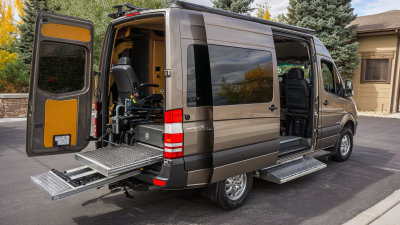
Rear-entry or side-entry ramp installation; lowered floor; wheelchair travel position. |
Use as an accessibility-design reference only. This standard is not a vehicle-conversion approval certificate. |
Request dynamic test reports for the complete wheelchair tie-down and occupant-restraint system, including installation configuration. |
Verify base-vehicle approval documents, modification records, and evidence that structural changes do not invalidate applicable occupant-protection requirements. |
Evidence required |
| 02 |
Manufacturer Profile 02
Accessible minibus converter |
High-roof passenger vehicle adaptation; lift or ramp; dedicated wheelchair anchorage positions. |
Check clear circulation space, accessible route, transfer area, handrails, and maneuvering provisions where the project also includes buildings or public facilities. |
Confirm that the restraint system is tested for the intended wheelchair type, occupant mass range, and forward-facing travel orientation. |
Ask for engineering calculations, modification drawings, and any applicable certification or inspection documentation for the completed vehicle. |
Evidence required |
| 03 |
Manufacturer Profile 03
Low-floor transport converter |
Floor lowering; retractable ramp; wheelchair restraint rails; accessible passenger seating. |
GB 50763-2012 supports accessibility planning but does not define the mechanical strength of vehicle tie-down systems. |
Check belt routing, anchorage location, release access, webbing condition, and compatibility with the wheelchair occupied during travel. |
Crash performance should be assessed for the finished conversion, not inferred solely from the unmodified base vehicle. |
Evidence required |
| 04 |
Manufacturer Profile 04
Rear-entry mobility converter |
Rear ramp or lift; extended rear access; wheelchair parking bay; occupant restraint system. |
Apply the standard only where its accessibility provisions are relevant to associated buildings, public areas, or access routes. |
Request ISO 10542-1 test scope, laboratory identification, test date, configuration, and pass/fail results. |
Confirm that rear-structure alterations, ramp storage, seat removal, and floor reinforcement have been reviewed for collision safety. |
Evidence required |
| 05 |
Manufacturer Profile 05
Side-entry mobility converter |
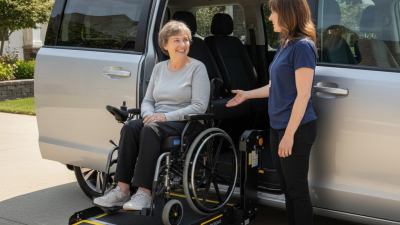
Side lift or ramp; sliding-door modification; lowered floor; transfer seating. |
Accessibility compliance should be evaluated separately from vehicle type approval and roadworthiness inspection. |
Verify that the tie-down system is suitable for the vehicle installation and is not merely supported by a product brochure or declaration. |
Review side-impact considerations, door and floor modifications, restraint anchorage strength, and post-conversion inspection records. |
Evidence required |
| 06 |
Manufacturer Profile 06
Fleet accessibility converter |
Repeated conversion of passenger vans for taxi, shuttle, medical-transport, or community-service fleets. |
Document accessible loading paths, ramp gradients, clear widths, and passenger circulation requirements for the operating environment. |
Require standardized restraint-system specifications and maintenance instructions for every converted vehicle in the fleet. |
Check whether compliance evidence applies to the exact vehicle model, wheelbase, roof height, seating layout, and conversion batch. |
Evidence required |
| 07 |
Manufacturer Profile 07
Electric van converter |
Battery-electric accessible van adaptation; ramp or lift; wheelchair restraint and auxiliary electrical equipment. |
The accessibility code does not replace electrical-system, battery-safety, or vehicle approval requirements. |
Confirm tie-down placement does not interfere with high-voltage components, battery enclosures, wiring, or emergency isolation equipment. |
Request evidence covering battery protection, modified load distribution, restraint anchorage, and the safety impact of floor or body alterations. |
Evidence required |
| 08 |
Manufacturer Profile 08
Commercial shuttle converter |
Multi-passenger accessible shuttle; removable seats; wheelchair bays; foldable ramp or lift. |
Verify accessibility features according to the destination facility and service environment rather than treating GB 50763-2012 as a vehicle crash standard. |
Check the number of tested restraint stations, rated load, installation method, user instructions, and inspection intervals. |
Confirm that passenger seating, emergency exits, interior projections, glazing, and restraint installations remain compliant after conversion. |
Evidence required |
| 09 |
Manufacturer Profile 09
Medical transport converter |
Wheelchair transport layout; stretcher or medical equipment provision; attendant seating; secure storage. |
Accessibility provisions should be coordinated with the building access route, loading zone, and medical-facility circulation design. |
Verify restraint performance for wheelchairs and occupants under the actual seating and equipment arrangement used in service. |
Review equipment anchorage, stretcher retention, occupant protection, emergency access, and inspection documentation for the completed vehicle. |
Evidence required |
| 10 |
Manufacturer Profile 10
Custom accessibility converter |
One-off or low-volume adaptation; customized ramp, lift, seating, floor, and restraint configuration. |
Use the standard for applicable accessibility design features, while obtaining separate vehicle engineering and approval evidence. |
Do not accept a generic ISO reference without confirming that the installed system, vehicle anchorage, and wheelchair configuration match the tested design. |
Obtain a documented risk assessment, structural review, applicable inspection approval, and evidence addressing the finished conversion. |
Evidence required |