









China Top Battery Pack Manufacturers for Global Buyers
China has become a central manufacturing base for battery pack buyers worldwide. The scale is difficult to ignore. The International Energy Agency reported that global electric vehicle battery demand approached 750 GWh in 2023, rising by about 40% in one year. China supplied more than half of the world’s electric cars and remained deeply integrated across battery materials, cells, modules, and pack assembly.
Cost pressure is also reshaping procurement decisions. BloombergNEF’s 2024 Battery Price Survey placed the average lithium-ion battery pack price at approximately $115 per kWh. Chinese pack producers often benefit from dense supplier networks, automated production lines, and strong experience with LFP chemistry. These advantages can shorten development cycles. They do not remove quality risks.
“The battery is the heart of an electric vehicle,” battery scientist Dr. Shirley Meng has emphasized. Her point matters to global buyers. A battery pack is not merely a box of cells. It includes thermal control, busbars, enclosure design, software, protection circuits, and traceable testing. Look closely. Small design choices affect safety and service life.
This guide examines China’s leading battery pack manufacturers from a buyer’s perspective. It considers production capability, chemistry, customization, certifications, testing, and export experience. Factory size alone is not enough. A polished showroom can hide weak documentation. Even supplier rankings have limits, because capacity figures may reflect planned production rather than shipped products. Buyers should request recent test reports, sample packs, warranty terms, and clear cell traceability before signing a contract. The strongest supplier is not always the cheapest. It is the one that performs consistently after delivery.
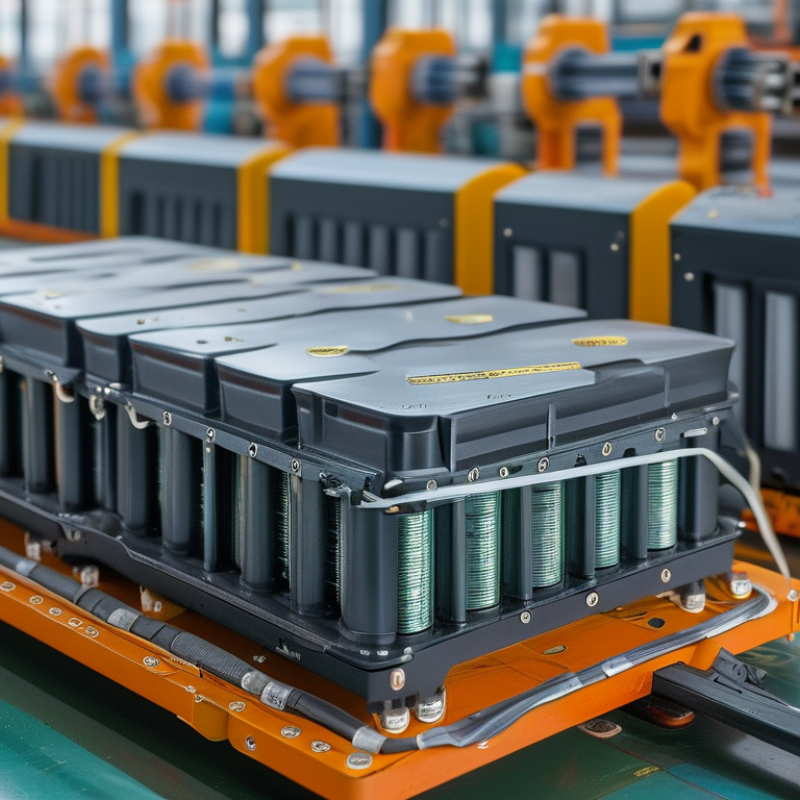
China’s Battery Pack Industry: 750 GWh of EV Demand in 2023 (IEA)
China’s battery pack industry is scaling around a powerful demand signal.
The IEA reported about 750 GWh of electric vehicle battery demand in 2023. That volume is changing how global buyers assess Chinese suppliers. Capacity alone is not enough. Buyers should examine cell traceability, thermal management, welding consistency, and production testing. A reliable factory can explain its process with records, not only polished samples.
In supplier evaluations, I look for clear evidence at each stage. Incoming cells should have batch information and electrical test results. Pack assembly should include insulation checks, torque controls, and end-of-line testing. Software protection matters too. It should monitor temperature, voltage balance, and abnormal current behavior. Certifications such as ISO 9001, UN 38.3, and IEC 62619 may support safer international procurement, depending on the product and destination market.
The numbers can mislead.
A large production line does not automatically deliver stable quality. Some suppliers still depend too heavily on manual inspection, which creates uneven results across shifts. Buyers should request sample test data, factory audit access, warranty terms, and documented corrective actions. I have found that honest suppliers discuss failure risks openly. That conversation may feel less impressive, but it often reveals stronger engineering discipline. Shipping schedules, after-sales support, and spare-part planning also deserve attention before signing a purchase agreement.
