


















7 Best Fish Collagen Peptide Skincare Routines?
A Fish Collagen Peptide Skincare Routine can support a focused approach to hydration and skin comfort. Fish-derived collagen peptides commonly appear in serums, creams, masks, and eye products. Their formulas may help the skin feel smoother, especially when paired with humectants such as glycerin or hyaluronic acid. However, topical collagen does not simply replace the collagen naturally produced in deeper skin layers. That distinction matters.
This guide examines seven practical routines for different skin needs, budgets, and product textures. One routine may suit dry cheeks, while another feels lighter on oily skin. Some formulas also include fragrance, alcohol, or strong active ingredients. Those additions can change the experience completely. A dermatologist or qualified skincare professional should assess persistent irritation, acne, or unusual sensitivity. Patch testing remains sensible, especially around the jawline or behind the ear. Small steps help.
The selections focus on ingredient transparency, sensible layering, texture, and everyday usability. They also consider whether brands explain marine sourcing and manufacturing standards clearly. Marketing claims can sound impressive, but visible results usually depend on consistent care, sunscreen, sleep, and individual biology. Not every user will notice the same improvement. That is worth admitting.
Expect a realistic introduction to fish collagen peptide products, not a miracle promise. The strongest routine is often the one you can follow comfortably each morning and evening. A gentle cleanser, targeted collagen peptide product, moisturizer, and broad-spectrum sunscreen may provide a dependable foundation. Certain routines may still need adjustment. Skin changes, and so should expectations.
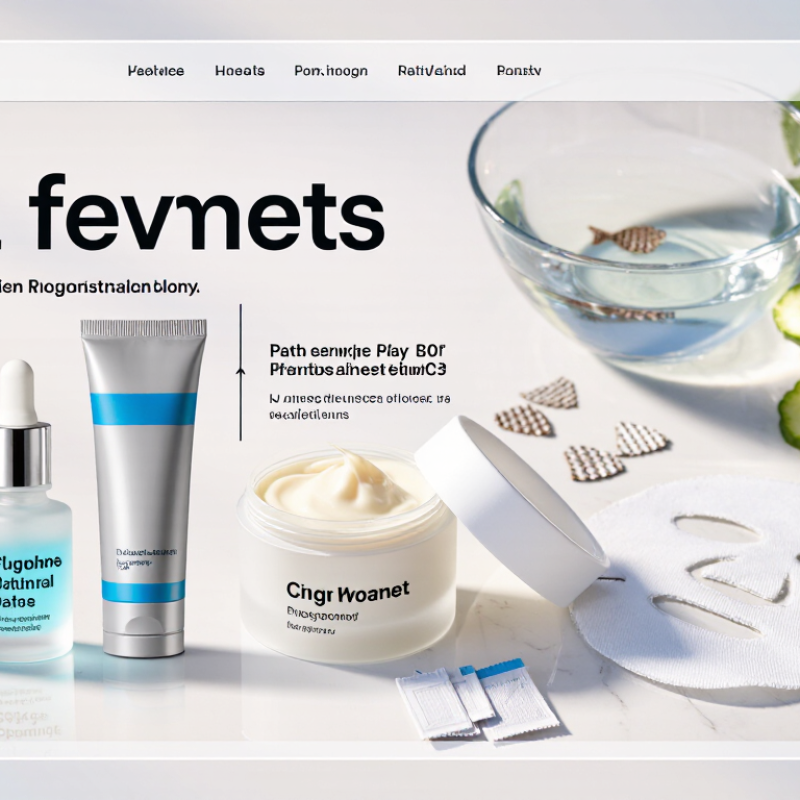
What Are Fish Collagen Peptides and How Do They Benefit Skin?
Fish collagen peptides are small protein fragments made by hydrolyzing collagen from fish skin, scales, or connective tissue. In skincare, they are usually added to serums, creams, or masks. Their main role is surface support, not instant collagen replacement. Because collagen molecules are generally too large to rebuild deeper skin structures, topical products cannot directly restore lost dermal collagen.
These peptides may help skin feel softer and temporarily look smoother. They can form a light film that reduces water loss, especially when paired with glycerin or hyaluronic acid. Some oral collagen peptide studies report modest improvements in hydration, elasticity, and fine lines after consistent use. The evidence is promising, but not perfect. Results differ by product quality, dosage, age, diet, and study design.
A practical routine can include gentle cleansing, a fish collagen peptide serum, moisturizer, and broad-spectrum sunscreen in the morning. At night, cleanse again and use the peptide product before moisturizing. Seven routines can vary by skin need: hydration, barrier support, post-shower comfort, dry-area care, seasonal dryness, gentle layering, or simplified maintenance. Sunscreen remains more important than peptides for preventing collagen breakdown. Patch-test new products first. People with fish allergies should check ingredient sources carefully. I would also avoid expecting dramatic changes. Skin biology is slower and messier than advertisements suggest.
