





7 Tips to Choose a Chenglong Emergency Vehicle?
Choosing an emergency vehicle is a patient-safety decision, not merely a purchase decision. A capable Chenglong Emergency Vehicle must match real missions, roads, crews, and budgets. Urban response differs greatly from rural rescue, disaster support, or patient transport. The right choice begins with evidence, not attractive photographs.
The World Health Organization’s Global Status Report on Road Safety 2023 reports about 1.19 million annual road deaths worldwide. It also highlights the importance of timely post-crash care. That pressure makes vehicle stability, crew protection, access, and dependable equipment mounting essential. WHO’s Emergency Care Systems Framework also supports integrated, timely care across the emergency pathway. A vehicle should therefore support the whole response process, not only the moment of arrival.
This guide presents seven practical tips for evaluating a Chenglong Emergency Vehicle. They cover mission configuration, payload, patient-compartment layout, electrical capacity, safety systems, maintenance support, and total ownership cost. NFPA 1917, Standard for Automotive Ambulances, offers useful reference points for ambulance construction and performance. Local procurement requirements may differ, so buyers should verify every specification with qualified engineers and medical-service leaders. A brochure cannot prove field reliability. Real roads are less tidy than specifications. Testing matters. A short demonstration should include tight turns, uneven surfaces, equipment loading, and night operations. No checklist is perfect, and even experienced teams can overlook downtime or training needs. Careful comparison creates a safer, more dependable emergency platform.
Define the Emergency Mission and Required Vehicle Functions
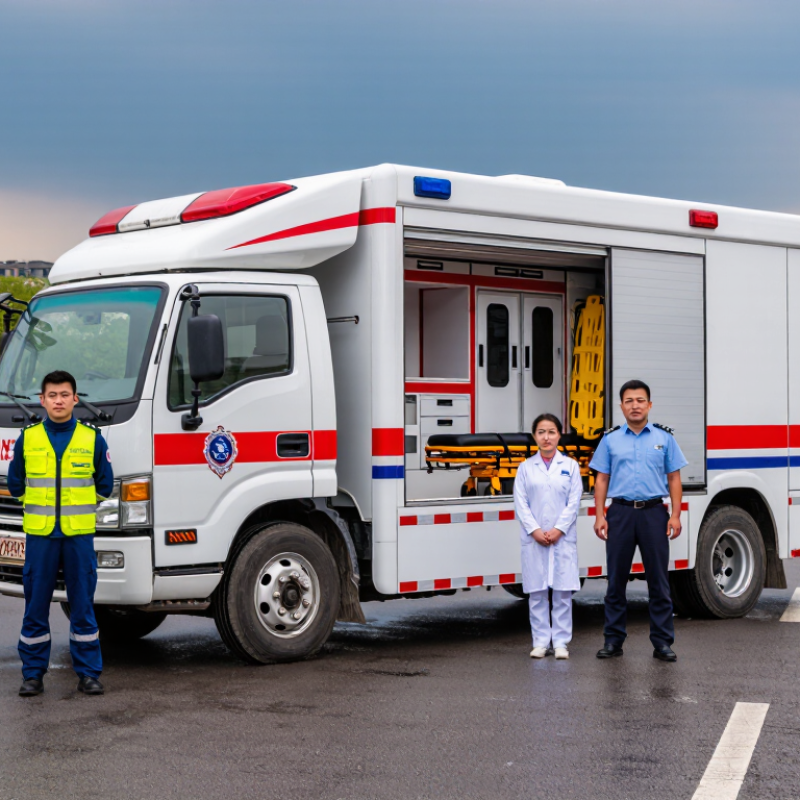
Choosing an emergency vehicle starts with the mission, not the paint or engine size. A medical transport unit needs stretcher access, infection-control surfaces, oxygen storage, and stable power. A rescue unit may require winches, cutting tools, scene lighting, and extra payload capacity. These functions should be written into a mission profile before comparing vehicle models.
The numbers support this approach. The NFPA U.S. Fire Department Profile 2020 reported about 10.3 million emergency calls, with medical aid representing roughly 64% of responses. That demand favors vehicles designed for fast patient access and reliable onboard equipment.
Road rescue has different pressures. The World Health Organization reported approximately 1.19 million road deaths worldwide each year, with millions more suffering nonfatal injuries. Rescue vehicles therefore need protected storage, high-visibility lighting, communication systems, and safe access around damaged vehicles.
Start with a real scene map. Measure the stretcher path, turning radius, equipment weight, and loading height. Then test the vehicle with the full crew and payload.
A practical fleet review often finds small failures, such as blocked compartments or weak interior lighting.
Those details matter at 2 a.m.
Mission requirements can also change. A vehicle that serves urban calls may struggle on rural roads. A perfect specification rarely exists.
Recheck the design with operators, maintenance staff, and emergency planners. Their criticism may reveal more than a brochure.
