










2026 Best Sanitary Napkin Making Machine Buying Guide
Buying a Sanitary Napkin Making Machine is not simply a price comparison. It is a decision about hygiene, production stability, worker safety, and long-term service.
Arunachalam Muruganantham, a respected menstrual-hygiene innovator, has said, “I wanted to make sanitary napkins available to every woman.” His words highlight the real purpose behind this equipment. A reliable machine should help manufacturers produce safe, consistent, and affordable products. It should also support practical factory needs, from raw-material feeding to sealing, inspection, and packaging.
This 2026 buying guide examines the details that buyers often overlook. It covers machine capacity, forming accuracy, absorbent-core performance, automation levels, power consumption, and maintenance access. A clean stainless-steel frame matters. So does the distance between service points and your factory. One loose sensor can stop an entire production line.
Look beyond impressive speed claims. Ask for verified output under normal operating conditions. Request sample products, test records, and references from similar factories. Check whether operators can adjust the machine without complicated procedures. Training quality matters more than glossy brochures.
No machine is perfect. A low-cost model may create higher expenses through waste, downtime, or difficult repairs. A high-speed line may also exceed your present market demand. This guide encourages careful comparison, not rushed purchasing. It considers evidence, supplier experience, technical support, and product quality together.
Manufacturers should also confirm applicable safety and hygiene requirements in their target markets. Reliable documentation builds trust. Honest limitations build it too. The best Sanitary Napkin Making Machine is not always the fastest option. It is the one that fits your product design, workforce, budget, and growth plan.
What Is a Sanitary Napkin Making Machine?
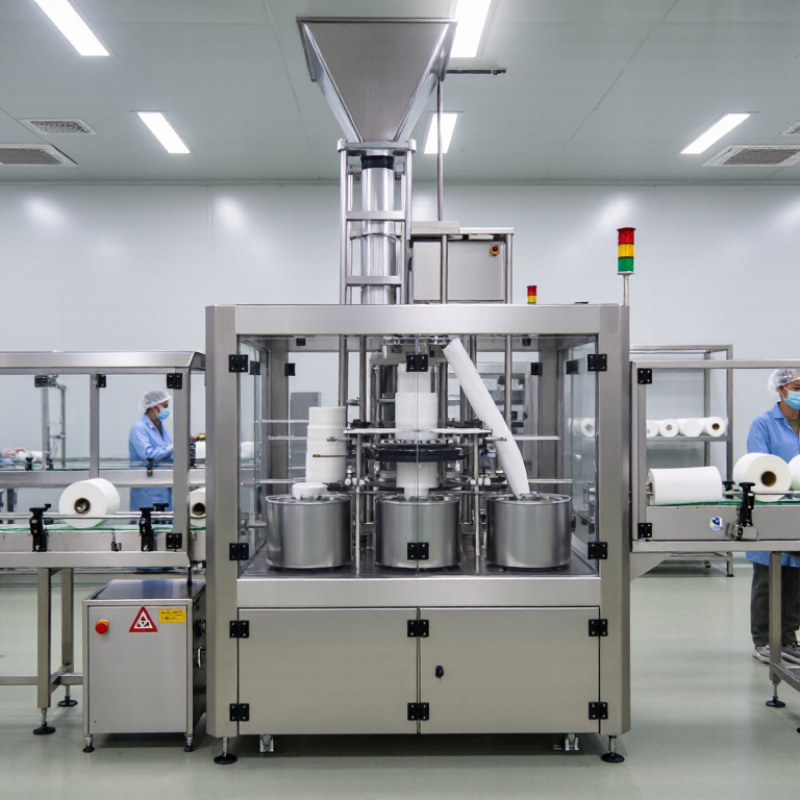
A sanitary napkin making machine is industrial equipment that converts absorbent materials into finished menstrual pads. It usually combines forming, wrapping, sealing, cutting, and packaging functions. Common materials include fluff pulp, absorbent paper, nonwoven fabric, release paper, and leak-resistant film. Each layer has a practical purpose. The absorbent core holds fluid, while the backsheet helps protect clothing.
From operating experience, production quality depends on more than machine speed. Stable tension, accurate cutting, and clean material feeding are essential. A small alignment error can create uneven wings or exposed edges. Modern equipment may include sensors, automatic counting, and adjustable settings for different pad sizes. However, automation does not remove the need for trained operators. Regular cleaning and inspection remain necessary, especially around cutting tools and sealing areas. Some buyers focus too heavily on output figures. That can be a mistake.
Tips: Check the machine’s hourly capacity under realistic conditions, not only the highest advertised speed. Ask about material compatibility, changeover time, spare parts, and operator training. Test sample products before purchase. Look closely at the pad’s surface, seal strength, and individual wrapping. Hygiene controls should be documented, including cleanable surfaces and safe production procedures. A reliable supplier should provide technical specifications and transparent maintenance requirements. Even experienced teams can overlook packaging waste. Track it during trial production.
